
Why water testing matters in Coolum Beach
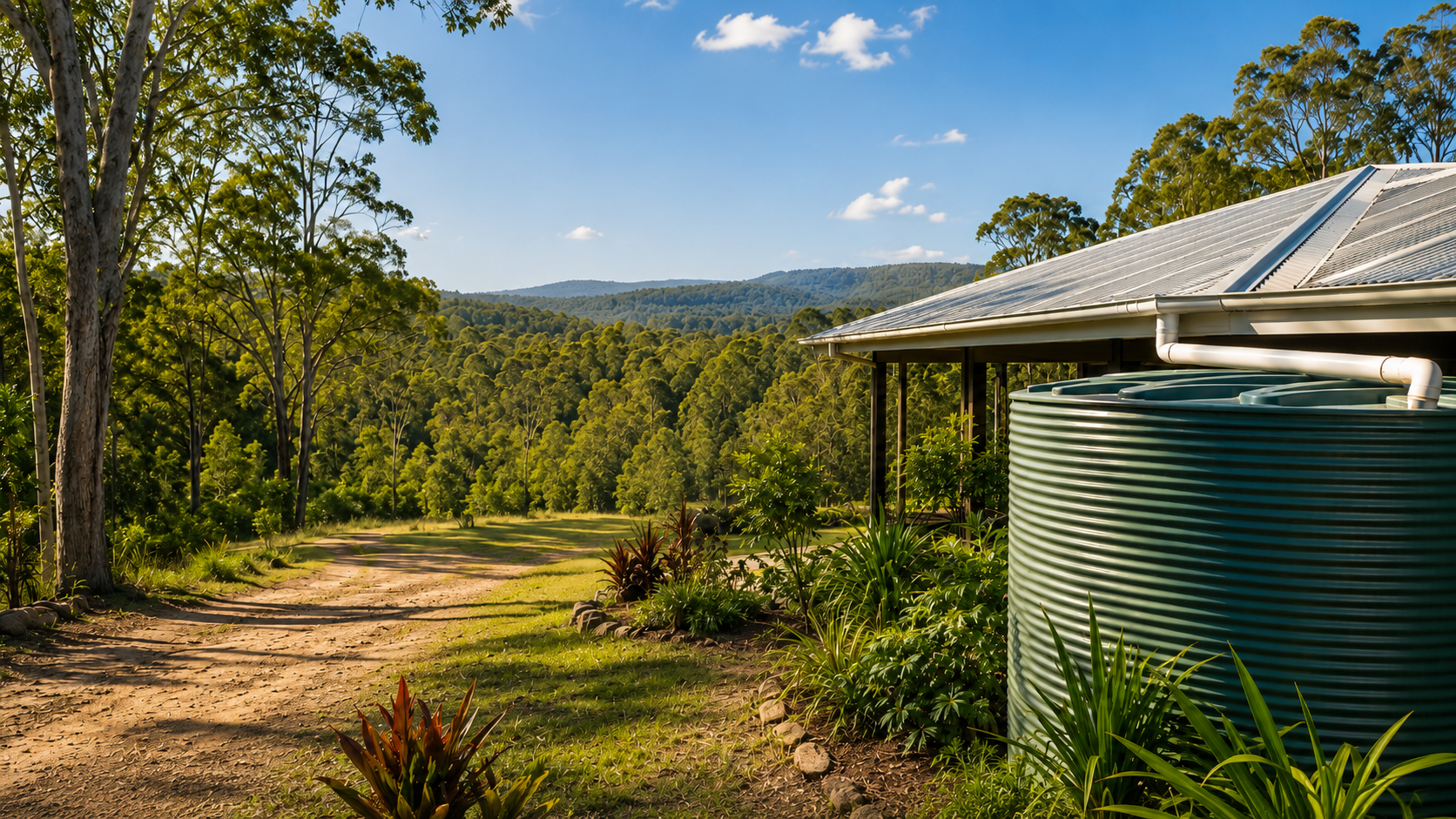
Coolum Beach is a classic Sunshine Coast coastal suburb — a mix of long-held beachside homes, second-row family blocks, holiday lets, and a quiet hinterland fringe further west. Most Coolum Beach properties are on town water for the main supply, but rainwater tanks remain very common across the suburb — typically used for the garden, the laundry, the pool top-up, and the outdoor rinse-shower that gets a workout right through summer. Coastal living is hard on outdoor fittings and tanks see noticeable peaks and quiet periods through the year, so what's in the stored water can shift more than property owners expect. Regular testing helps clarify what's actually coming out of each tank-fed outlet, especially as the beach season rolls around again.
Local context: Coolum Beach's most commonly reported tank-water concerns relate to outdoor-shower lines used heavily through summer, holiday-let occupancy patterns, and coastal exposure on outdoor pumps and pipework — not the town supply itself.
Likely water sources in Coolum Beach
- Rainwater tanks for garden, laundry and pool top-up on coastal blocks
- Tank-fed outdoor showers used for post-beach rinse-down
- Older Coolum Beach homes with tanks tied into outdoor outlets
- Occasional bores on hinterland-edge blocks at the western fringe of the suburb
Common local water concerns
- Outdoor rinse-shower lines fed by tank water and used heavily during summer beach season
- Coolum Beach tanks on holiday-let properties with strong on/off occupancy patterns
- Salt-laden onshore winds affecting roof catchments closer to the headland
- Pool top-up lines drawing from tank rather than mains on coastal-block homes
- Older outdoor pump and pipework exposure on beachfront and second-row blocks
- Stored rainwater that may not see significant turnover outside summer
Recommended test packages for Coolum Beach
Based on the typical water-supply profile and property mix in this suburb. You can also mix and match samples — e.g. one tap and one tank — on a single booking.
Sample collection & drop-off
- Use a sterile sample bottle (we supply one when you book).
- Keep your sample cool and out of direct sunlight after collection.
- Bacterial samples must reach the lab within 24 hours of collection.
- Drop-off: 1/37 Gateway Drive, Noosaville QLD 4566 — Monday to Thursday before 2 pm.
Coolum Beach is approximately 15 minutes by car from our Noosaville lab at 1/37 Gateway Drive. Drop-off accepted before 2 pm Monday to Thursday — or posted samples are accepted as long as they reach us within 24 hours of collection.
Local FAQ — Coolum Beach
Our Coolum Beach outdoor rinse-shower runs off the tank — should we test it?
It's often worth checking, particularly if the shower gets heavy summer use. Outdoor rinse-shower lines share the same stored water as the rest of the tank, but they tend to be used in short bursts with long quiet periods in between, which can let the line itself sit warm and dormant. The AWARE Tank 360 gives you a clear plain-English picture of the stored water and helps you decide whether anything needs attention before the next beach season.
We let our Coolum Beach property as a holiday rental — how does that affect the tank water?
Holiday lets have a very different usage rhythm to owner-occupied homes — busy bursts during peak weeks and quiet stretches in between. That can mean tank-fed laundry and outdoor lines that sit unused for long periods, then get used heavily. Annual testing gives you a clear baseline that you can keep with the property records, and helps you spot whether the on/off pattern is changing anything in the stored water.
Does salt air at Coolum Beach affect what's inside the tank?
Salt air mainly affects fittings, pumps and outdoor pipework rather than the water inside a sealed tank — but heavier salt deposition on roof catchments closer to the headland can show up in the stored water over time. The AWARE Tank 360 screens conductivity and other key indicators that help clarify whether the catchment's coastal exposure is making any practical difference to the tank.
Our Coolum Beach pool top-up draws from the tank — does that need testing?
It's often worth checking. Pool top-up water adds to the pool's chemistry load and shares the same source as garden and laundry taps that get casual use. The AWARE Tank 360 gives you a clear plain-English picture so you can decide whether the tank is fine as-is, would benefit from a clean, or should be taken offline for that use.
Our Coolum Beach property is right next to the headland — does that change the catchment story?
Properties closer to exposed headland air tend to see slightly more salt deposition on roofs than blocks tucked further back in suburban streets. It's rarely a big practical issue on its own, but combined with low tank turnover or older fittings it can quietly shift the stored water's character over time. Annual testing helps clarify whether the catchment is keeping up or whether anything is gradually drifting.
How long do water testing results take?
Most reports are usually returned within 1–3 days, depending on the test package, sample timing and lab workload. Bacterial tests (E. coli, coliforms) start the day your sample arrives at the lab.
What's the difference between the AWARE 4-Point and the AWARE Tank 360?
The AWARE 4-Point ($129) screens for E. coli (Positive/Negative) and Coliforms (Positive/Negative) plus pH and Conductivity — answering the question 'is my water safe to drink?'. The AWARE Tank 360 ($209) adds TDS, turbidity, alkalinity, hardness, cations, anions and metals — giving you a broader picture of your rainwater tank's water quality and overall system health.