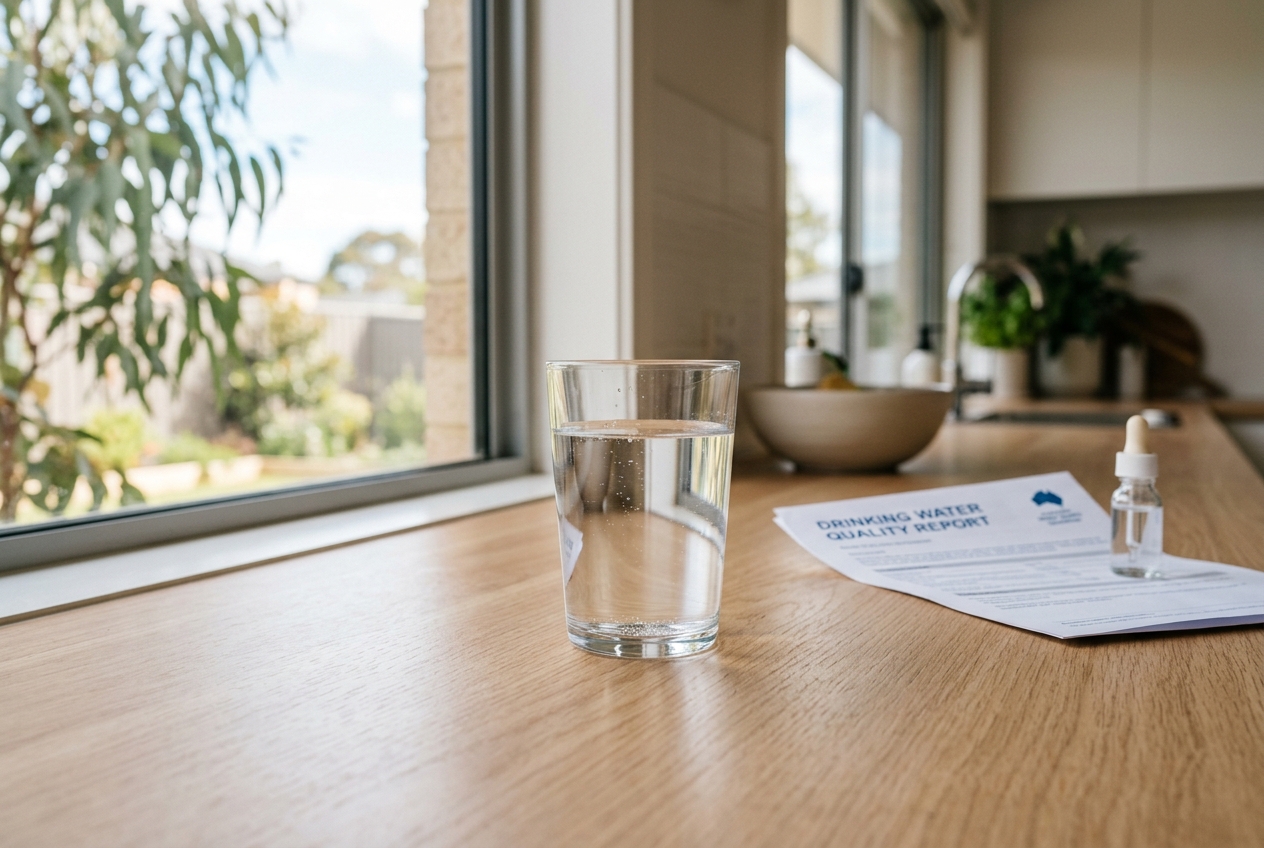
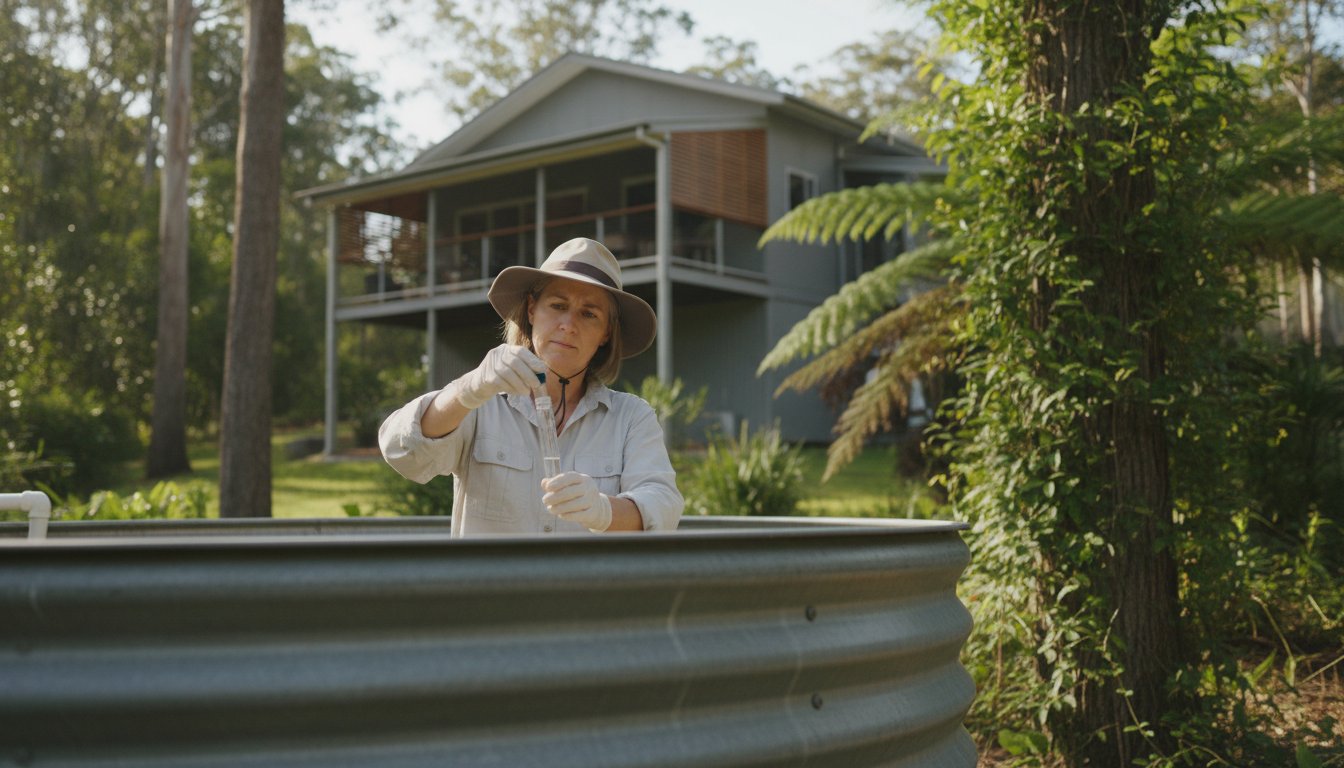
If your tank water looks crystal clear, does that mean it actually meets the Australian Drinking Water Guidelines? For many families in Cooroy or Doonan, the dream of total independence often comes with a side of uncertainty. You might worry about invisible bacterial growth in your tanks or wonder why your bore water leaves a metallic taste on your fresh laundry. Addressing water quality concerns for off-grid living shouldn't feel like a chore or a mystery.
We understand that you value your self-reliance but want the peace of mind that comes from knowing your household water is managed correctly. This guide will help you discover the essential parameters every off-grid household should monitor to ensure their independent supply meets national standards. You'll learn how to demystify those technical lab reports and create a practical plan for ongoing maintenance. We'll provide the clarity you need to understand what to test for and how to keep your system running beautifully, ensuring your water remains a source of pride rather than a source of stress.
Key Takeaways
- Learn how to monitor specific microbiological and physical factors, such as E. coli and pH levels, to ensure your independent supply aligns with the Australian Drinking Water Guidelines.
- Understand the unique water quality concerns for off-grid living in the Sunshine Coast Hinterland, where seasonal weather patterns can directly affect your tank and bore water.
- Discover why professional laboratory analysis provides the precision needed for household safety, far exceeding the limited capabilities of basic home testing strips.
- Gain insights into how water chemistry affects your property, from protecting copper plumbing to preventing metallic tastes in your laundry and appliances.
- Establish a practical maintenance plan that starts with clear data, allowing you to choose the right treatment options for your specific water profile.
Table of Contents
- Navigating Water Quality Concerns for Off-Grid Living in Australia
- Identifying Key Parameters in Rainwater and Bore Water Systems
- Environmental Impacts on Your Independent Water Supply
- Why Professional Laboratory Analysis Outperforms Home Testing Kits
- Taking a Practical First Step Toward Water Security
Navigating Water Quality Concerns for Off-Grid Living in Australia
Many residents across the Sunshine Coast Hinterland, from Noosa to Cooroy, are choosing the path of self-reliance. It's a rewarding lifestyle, but it shifts the responsibility of water management from the council directly to the homeowner. When you step away from mains water, you effectively become your own utility provider. This means managing water quality concerns for off-grid living is no longer a "set and forget" task. It requires a proactive approach to ensure your supply remains within the preferred ranges set by the Australian Drinking Water Guidelines (ADWG).
The Reality of Independent Water Sources
Relying on rainwater harvesting techniques is a staple for off-grid homes in regional Queensland. However, even the clearest tank water can host microorganisms that aren't visible to the naked eye. Roof debris, bird droppings, and organic matter all contribute to the biological load of your storage. Bore water presents a different set of challenges altogether. In areas like Doonan, groundwater often carries hidden mineral complexities. High iron or manganese levels might not be obvious at the tap, but they can quickly impact your plumbing and household fixtures.
Common Signs Your Water May Be Outside Preferred Ranges
How do you know if something is wrong? Sometimes the signs are obvious. You might notice a "rotten egg" odour when running the shower, which often indicates the presence of hydrogen sulphide in bore water. Other times, the indicators are more subtle. Metallic tastes or tea-coloured staining on your white laundry and bathroom tiles are classic signs that your mineral levels are outside the preferred range. These aesthetic issues are often the first hint that your water chemistry has changed.
Visual inspection is rarely enough for modern off-grid standards. A tank might look pristine while harbouring bacteria, or bore water might look clear but have a pH level that is corrosive to copper pipes. Sunshine Coast Water Testing helps local households understand what is actually in their tank or bore water before choosing a treatment option. By moving beyond guesswork, you can implement maintenance plans that are based on hard data rather than assumptions.
Identifying Key Parameters in Rainwater and Bore Water Systems
Understanding the technical side of your water supply doesn't require a science degree. It simply involves knowing which specific factors impact your daily life. Managing water quality concerns for off-grid living involves more than just a quick look in the tank. You need to identify the invisible parameters that dictate how your water behaves in your pipes, your appliances, and your glass.
Recent research on remote water quality highlights the challenges faced by regional households. Without the consistent treatment provided by municipal systems, off-grid owners must monitor for a variety of microbiological and chemical factors. This data allows you to move from uncertainty to a clear, actionable maintenance plan.
Microbiological Risks in Rainwater Tanks
Rainwater is often perceived as pure, but the collection process introduces several variables. Wildlife like birds, possums, and frogs frequently access roof spaces and gutters, introducing E. coli and coliforms into your storage — see how the drinking water guidelines apply to private sources. Over time, organic debris breaks down, creating a sediment layer at the bottom of the tank that can harbour bacteria. Regular monitoring ensures these levels remain within the preferred ranges set by the ADWG. For a detailed breakdown of how to manage these risks, see our rainwater tank testing sunshine coast guide.
Chemical and Mineral Concerns in Bore Water
Bore water carries its own set of unique complexities. In areas like Cooroy and Doonan, groundwater often contains high levels of iron and manganese. While these minerals are naturally occurring, they lead to stubborn brown or black staining on laundry and bathroom fixtures. We also look for chemical constituents like nitrates and fluorides, which can enter the water table through agricultural runoff or natural geological deposits. High salinity is another factor to watch, as it can affect garden irrigation and the longevity of your livestock's primary supply.
Physical properties like pH and hardness also play a critical role in household maintenance. If your water is too acidic (a low pH), it can become corrosive, slowly leaching copper from your plumbing. Conversely, "hard" water—rich in calcium and magnesium—causes scale build-up in kettles and hot water systems. Identifying these issues early is a practical first step toward protecting your home's infrastructure. By understanding the specific mineral profile of your bore, you can choose the right treatment options without wasting money on unnecessary equipment.
Environmental Impacts on Your Independent Water Supply
Living on the Sunshine Coast means your water supply is directly tied to the local environment. While our region is beautiful, the subtropical climate introduces specific water quality concerns for off-grid living that change with the seasons. Your tank or bore isn't a static resource. It's a dynamic system that reacts to every heavy downpour, heatwave, or nearby land use change. Understanding these environmental triggers helps you stay ahead of potential issues before they affect your household taps.
Heavy rainfall events are a major driver of water quality shifts. When a big storm hits the Hinterland, it washes accumulated dust, bird droppings, and organic matter from your roof straight into your tank. This often leads to a spike in turbidity, making the water look cloudy or discoloured. More importantly, these events frequently cause bacterial spikes. Similarly, for bore users, significant rain can alter the water table, potentially washing surface contaminants into shallower groundwater systems.
Dry spells present the opposite challenge. As water levels in your tank drop during a long Sunshine Coast winter, the concentration of minerals and sediment at the bottom increases. You might notice your pump picking up more "grit" or the water developing a stronger taste. For those living closer to Noosa or the coastal strip, extended dry periods can also increase risks related to coastal salinity. Salt spray can accumulate on roof catchments, while coastal bores may experience increased salt levels if the freshwater lens is depleted.
Bushfires and Tank Water Quality
Local fire events can have a lasting impact on your water health. Even if a fire isn't on your doorstep, windblown ash can settle on your roof and wash into your tanks during the next rain. This often results in a distinct "smoky" taste and can significantly alter the chemical balance of the water. If fire retardants have been used nearby, these chemicals may also find their way into your catchment. Protecting your roof with a first-flush diverter and checking your water after a fire season is a practical way to manage these risks.
Agricultural and Industrial Runoff
If you live in farming areas like Cooroy or Doonan, your water may be influenced by neighbouring land activities. Fertilisers and pesticides can leach into the soil, eventually reaching the groundwater used by your bore. Hinterland properties should be particularly mindful of nitrates. High nitrate levels often stem from agricultural runoff or aging septic systems and are a key parameter to monitor for long-term water security. For those concerned about more complex contaminants, interpreting heavy metal water test results provides deeper insight into what might be moving through your local environment and into your supply.
Why Professional Laboratory Analysis Outperforms Home Testing Kits
While a quick trip to the local hardware store for a pack of test strips might seem convenient, it often leaves homeowners with more questions than answers. Addressing water quality concerns for off-grid living requires a level of precision that over-the-counter kits simply can't provide. These DIY options are usually limited to basic colour-change indicators that provide a vague range rather than a definitive measurement. For a household in Noosa or Cooroy relying entirely on their own supply, close enough isn't quite good enough for long-term property maintenance.
Professional laboratory analysis offers a complete, high-resolution picture of your water chemistry. Instead of guessing if a strip has turned the right shade of pink, you receive a Certificate of Analysis with exact figures. At Sunshine Coast Water Testing, we pair this raw data with a plain-English summary. This ensures you understand exactly what the numbers mean for your home without needing a background in chemistry. It's about moving from curiosity to a clear resolution, providing a document that's actually readable and useful for the average homeowner.
Accuracy and Detection Limits
The main drawback of home kits is their high detection limits. A DIY test might only show a result once a contaminant reaches a high concentration. In contrast, professional labs can detect minerals and pathogens at much lower levels, often well before they exceed the Australian Drinking Water Guidelines. Quantification is the real difference. Knowing if a parameter is present is one thing, but knowing the exact count of E. coli or the precise pH level allows for a much more targeted response. Without this detail, you risk false negatives, especially in complex off-grid setups where minerals can interfere with simple chemical reagents.
Making Informed Decisions for Your Home
Investing in laboratory data is a practical way to save money in the long run. Many off-grid owners over-invest in complex filtration systems they don't actually need because they haven't identified the specific issue first. Understanding what a standard water test includes gives you a reliable baseline for your property management. This is especially important for specific household needs, such as ensuring safe water for baby formula australia or maintaining the right balance for home brewing and laundry.
Sunshine Coast Water Testing helps local households understand what is actually in their tank or bore water before choosing a treatment option. By starting with professional results, you can ensure your filtration system is fit for purpose the first time. If you want to understand what is happening in your pipes before committing to expensive hardware, organising a professional water analysis is the most effective first step for any off-grid household.

Taking a Practical First Step Toward Water Security
Building a resilient off-grid lifestyle requires more than just high-quality hardware. It demands accurate data. Testing is the absolute foundation of any effective water treatment strategy. Without a clear understanding of your specific water quality concerns for off-grid living, you're essentially guessing which filters or treatments your home requires. Starting with a professional analysis ensures that every dollar you spend on your system is targeted at a verified issue.
Sunshine Coast Water Testing helps local households understand what is actually in their tank or bore water before choosing a treatment option. We believe that information should be accessible, not overwhelming. By providing a clear baseline, we help you transition from uncertainty to a structured plan for your property's water health. This proactive approach is the most reliable way to manage an independent supply in our unique regional environment.
Understanding Your Results and Next Steps
Once your samples are processed, you'll receive a formal Certificate of Analysis (COA). While these documents are highly technical, we don't leave you to decipher them alone. We include a plain-English summary that explains how your results compare to the Australian Drinking Water Guidelines. If a parameter is outside the preferred range, we'll highlight exactly what that means for your household. Essentially, we identify the problem so you can find the right solution.
A single test is a great start, but water quality can shift over time. We recommend developing a regular testing schedule, especially after significant weather events or long dry spells. This ensures your system continues to perform as expected and helps you catch subtle changes in mineral levels or microbiology before they impact your appliances or plumbing.
Collaborating for a Healthier Household
It's important to distinguish between the diagnosis and the cure. Our role is to provide the scientific clarity you need to make an informed choice. For practical solutions such as professional tank cleaning, UV sterilisation, or advanced filtration, we recommend reaching out to Pristine Water Systems Sunshine Coast. They use our data to implement the specific mechanical fixes your system requires, ensuring a seamless path from testing to resolution.
Organising a professional water health check is a practical first step for any property in Noosa, Cooroy, or the Hinterland. Whether you've just moved onto a new block or you've been off-grid for years, knowing your numbers provides genuine peace of mind. If you're ready to understand what is happening in your water supply, we're here to help you get started with a clear and professional analysis.
Securing Your Independent Water Future
Managing your own supply is a cornerstone of regional life, but it requires more than just a sturdy tank. We've explored how seasonal shifts, mineral complexities, and invisible microorganisms can impact your household water throughout the year. Moving beyond the limitations of DIY test strips and relying on professional laboratory analysis ensures you have the precision needed to protect your plumbing and appliances. Addressing water quality concerns for off-grid living starts with understanding exactly what is in your supply before you commit to expensive hardware.
Sunshine Coast Water Testing provides the local expertise and plain-English summaries you need to make sense of the data. We identify the specific issues so you can implement the right solutions with confidence. By choosing a professional lab report over guesswork, you gain a clear baseline for your property's long-term health and security. If you're ready to take the uncertainty out of your maintenance routine, organise your professional water health check today. It's the most practical way to ensure your independent supply remains a reliable and stress-free asset for your home and family.
Frequently Asked Questions
Is my tank water suitable for use with baby formula?
Testing your water against the Australian Drinking Water Guidelines is the most reliable way to determine if it's suitable for baby formula. Boiling water can neutralise bacteria, but it doesn't remove minerals or chemical constituents like nitrates that may be outside the preferred range. A professional analysis provides a clear baseline, helping you understand exactly what is in your supply before you use it for specific household needs.
How often should I test my off-grid water supply?
We recommend a professional water health check at least once a year to monitor for changes in your system. Regular testing is a core part of managing water quality concerns for off-grid living, especially after significant environmental events. Heavy rainfall, local bushfires, or extended dry spells can all shift the mineral and microbiological balance of your tank or bore water quite rapidly.
Can I tell if my water is contaminated just by the taste or smell?
Visual inspection and taste tests are unreliable for detecting many significant water quality issues. While high iron might cause a metallic taste and sulphur can create a "rotten egg" odour, many parameters like E. coli and nitrates are completely odourless and invisible. Professional laboratory analysis is the only way to identify these hidden factors with the precision required for household safety.
What is the most common water quality concern for off-grid living on the Sunshine Coast?
Microbiological activity in rainwater tanks and high mineral content in bore water are the most frequent issues we see across the Hinterland. Residents in areas like Cooroy and Doonan often deal with elevated iron and manganese levels that cause staining. In tanks, the accumulation of organic debris can lead to bacterial growth that doesn't meet the Australian Drinking Water Guidelines.
Do I need to test my bore water if I only use it for the garden?
Testing bore water used for irrigation is essential to protect your soil health and property infrastructure. High salinity levels can eventually kill sensitive plants, while elevated iron can leave permanent orange staining on your fences, paths, and external walls. Understanding the mineral profile of your bore allows you to manage these risks and keep your garden thriving without damaging your home's appearance.
What should I do if my water test results are outside the preferred range?
Review your plain-English summary to understand which specific parameters require attention. This summary simplifies the raw data, explaining exactly how your water differs from the national guidelines. Once you identify the issue, you can consult with specialists like Pristine Water Systems Sunshine Coast to implement a targeted treatment plan, such as tank cleaning or specific filtration, based on your results.
Will a standard filter fix all my water quality concerns?
A generic filter is rarely a complete solution for complex water profiles. Different issues require different technologies; for example, a sediment filter won't neutralise bacteria, and a basic carbon filter may not remove high levels of dissolved metals. Testing first ensures you don't waste money on ineffective hardware. It allows you to choose a treatment system that is specifically designed for your water's unique chemistry.
How much does a professional water test cost for an off-grid property?
The cost of a professional analysis is a practical investment in your home's long-term maintenance and your family's peace of mind. While prices depend on the specific parameters you need to check, such as heavy metals or standard microbiology, it's often more affordable than repairing appliances damaged by poor water quality. A professional report provides the data you need to avoid over-investing in unnecessary treatment equipment.

Article by
Stephen McDougall
Stephen McDougall is the owner of Pristine Water Systems Sunshine Coast and Sunshine Coast Water Testing, specialising in water quality, filtration, and tank systems. He is known for delivering clear, easy-to-understand advice and practical solutions to help clients maintain safe, reliable water.
Disclaimer
The information provided in this article is for general guidance only and is not a substitute for professional water testing or site-specific advice. Water quality can vary between properties. For accurate results and recommendations, we recommend professional testing and assessment.