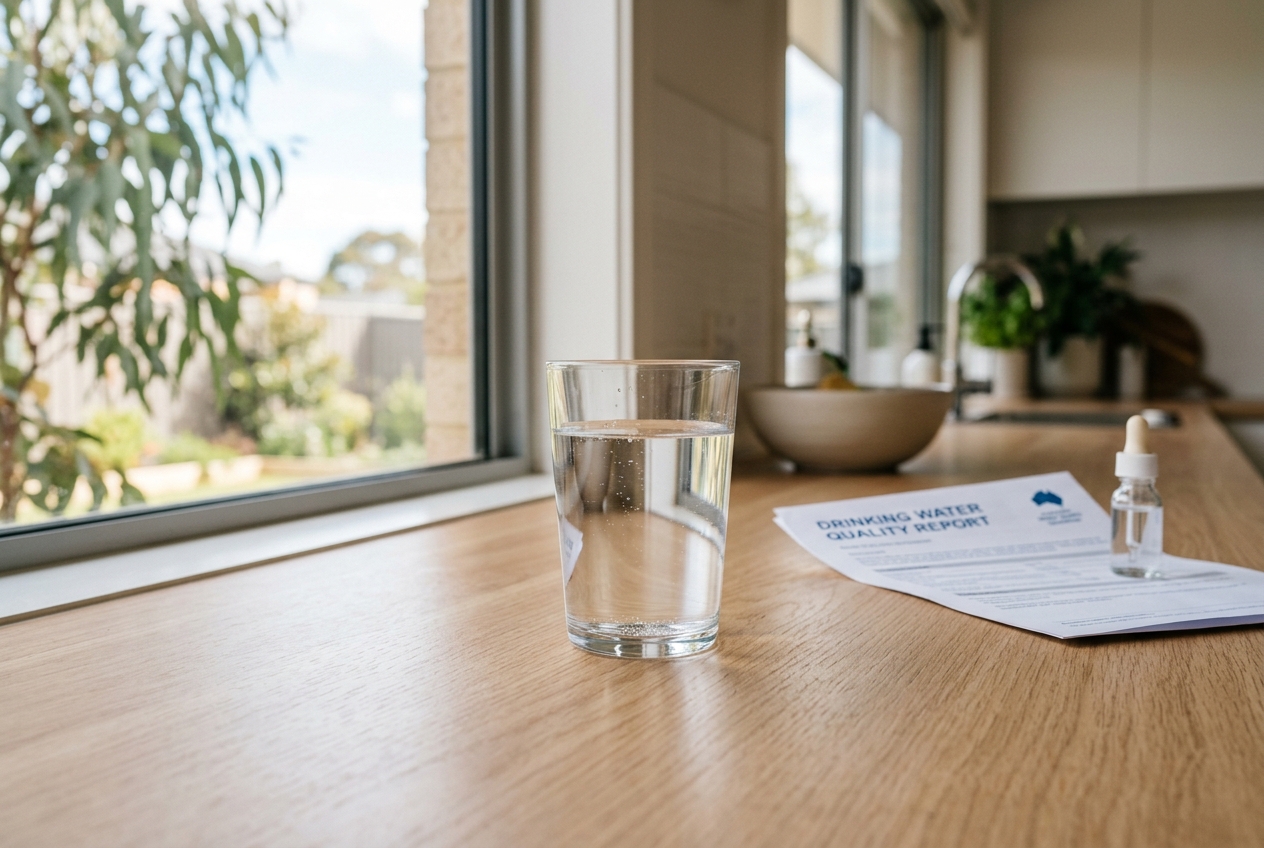
Have you ever brewed a fresh cup of tea only to find it tastes more like a rusty nail than your favourite Earl Grey? It's a common frustration for many homeowners across the Sunshine Coast, from the Hinterland to Noosa. Dealing with that sharp, copper-like tang or finding orange and black stains on your laundry can make you feel uneasy about your groundwater supply. You aren't alone in wondering what causes metallic taste in bore water and whether your supply sits within the preferred range for household use.
At Sunshine Coast Water Testing, we help local households understand what is actually in their bore water before choosing a treatment option. This guide will help you identify the specific minerals and chemical imbalances, such as iron, manganese, or low pH, that are likely responsible for that metallic bite. We'll explain how these levels compare to the Australian Drinking Water Guidelines — and if you are also seeing orange or black marks, see what causes bore water stains — and provide a straightforward plan to address the issue. You'll gain the clarity you need to resolve the problem and protect your plumbing without any high-pressure sales tactics.
Key Takeaways
- Identify the specific minerals like iron and manganese that often cause a sharp tang and unsightly orange or black staining on your household fixtures.
- Understand how acidic water chemistry, particularly in the Sunshine Coast Hinterland, contributes to what causes metallic taste in bore water by corroding copper and galvanised pipes.
- Learn the difference between aesthetic issues like taste or odour and mineral levels that fall outside the preferred range of the Australian Drinking Water Guidelines.
- Discover why a professional Bore Water Analysis is the most practical first step to identify your water’s unique chemical profile before investing in treatment.
- Get a clear, plain-English roadmap for addressing the issue, whether you need simple pH correction or specialised mineral filtration.
Why does my bore water taste like metal?
A metallic tang in your morning tea or a sharp, iron-like scent when you turn on the tap is more than just a nuisance. It's a sensory signal from your water supply that something is out of balance. Understanding what causes metallic taste in bore water involves looking at both the chemical makeup of the groundwater and the condition of the pipes it travels through. For many on the Sunshine Coast, this taste is a direct result of dissolved minerals like iron, manganese, or zinc. These elements occur naturally in our local soil and rock layers. As groundwater moves through these geological formations, it becomes saturated with minerals, eventually finding its way into your bore.
While the taste is unpleasant, it's often classified as an "aesthetic" issue. This means the water might not meet the preferred water quality standards for taste and appearance, even if it remains within specific health-related limits. However, when mineral levels are outside the preferred range, they can cause significant staining on laundry and bathroom tiles. These levels aren't always static. Heavy rainfall in the Hinterland can shift the water table, causing a sudden spike in mineral concentrations that wasn't there a month ago. This makes a professional Bore Water Analysis a practical first step to establish a baseline for your property.
Dissolved minerals vs. plumbing corrosion
Is the problem in the ground or in your walls? This is a vital distinction for any homeowner. In areas like Cooroy and Doonan, the underlying geology is often rich in iron. New bores in these locations frequently show immediate signs of mineral saturation. Conversely, the taste could be caused by your plumbing. If your bore water has a low pH, meaning it's slightly acidic, it becomes "aggressive." This acidic water eats away at copper or galvanised steel pipes, leaching metals directly into your household supply. If the taste is strongest first thing in the morning but fades after the water runs, your pipes are likely the culprit.
The "rusty nail" sensation
Homeowners often describe the experience as licking a rusty nail or a copper coin. This sensation is frequently linked to temperature. Cold water might mask the flavour, but as the water warms up in a kettle or a hot shower, the metallic profile becomes much more aggressive. The technical term for these sensory experiences is organoleptic properties, which refers to the aspects of water we experience via our senses, such as taste, odour, and clarity. Fluctuations in these properties are common across the Sunshine Coast, often triggered by seasonal shifts that alter the concentration of dissolved solids in the aquifer.
The primary mineral culprits: Iron, Manganese, and Zinc
While several factors can shift the flavour of your groundwater, three main minerals are usually behind the change. Identifying these is the first step in understanding what causes metallic taste in bore water on your property. Iron is the most common offender across the Sunshine Coast, but manganese and zinc also play significant roles in the aesthetic profile of your supply. These minerals don't just change the way your water tastes; they physically interact with your home, leaving behind stubborn stains and affecting the performance of your household appliances.
When these minerals exceed the preferred range, they often settle inside hot water systems and dishwashers. This buildup can reduce the efficiency of heating elements and lead to premature wear on seals and pumps. Because groundwater chemistry is often complex, seeing the raw data from a professional water analysis is the only way to know which specific mineral is causing the trouble.
Iron in Sunshine Coast groundwater
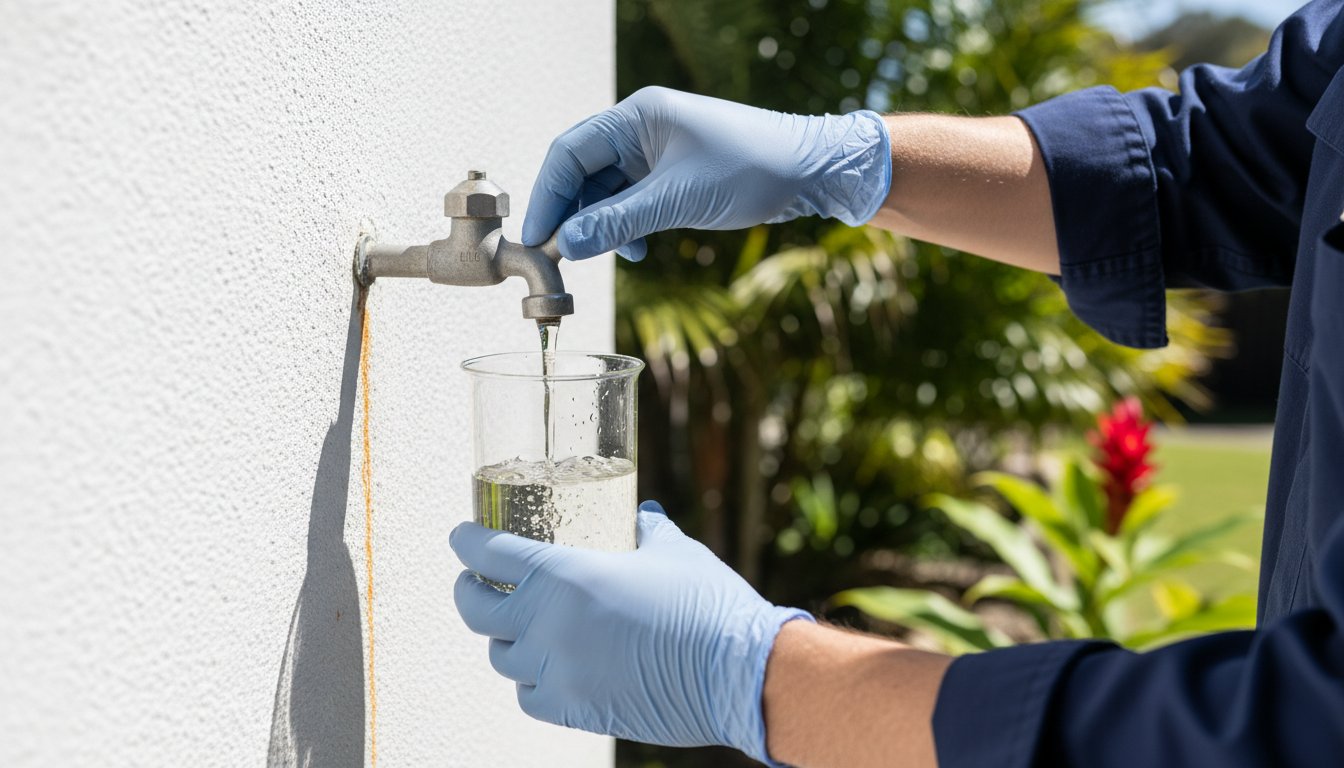
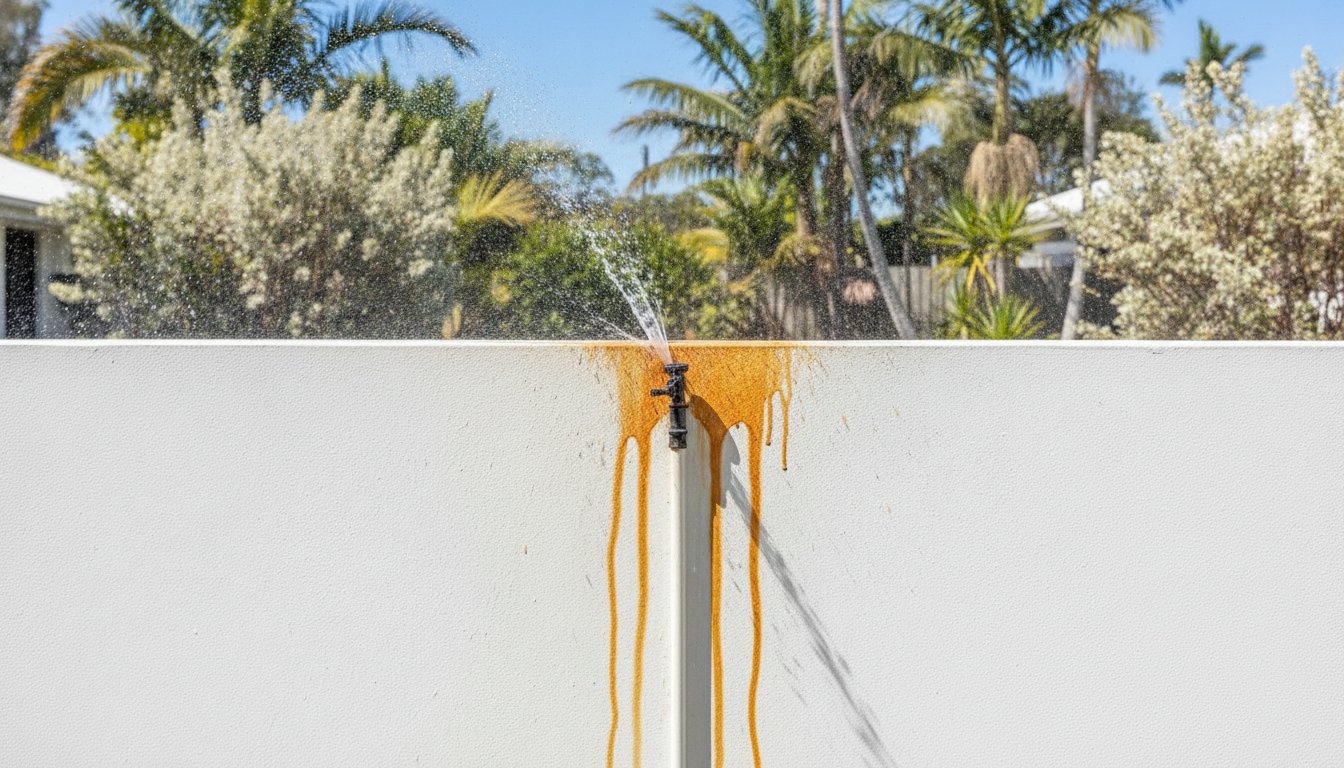
Iron is incredibly prevalent in our regional soil. It usually appears in two forms. Ferrous iron is dissolved and invisible when the water first leaves the tap, but it quickly oxidises into ferric iron when exposed to air. This chemical reaction turns the water a cloudy red or orange, leading to those classic "rust" stains on fences and bathroom tiles. Iron and manganese in your well dissolve more rapidly in low-oxygen environments, which is why deeper bores in areas like the Hinterland often have higher concentrations. For a deep dive into how these minerals impact your supply, our Bore Water Quality Assessment guide offers more detail on groundwater safety.
Manganese: The bitter companion
Manganese is frequently found alongside iron, but it brings its own set of problems. While iron tastes like metal, manganese adds a distinct, unpleasant bitterness to the water. It is also the culprit behind black, silty deposits that clog showerheads and ruin white laundry. The Australian Drinking Water Guidelines (ADWG) suggest an aesthetic limit for manganese of 0.1 mg/L. In plain English, this is the level where most people will start to notice staining and a change in the water's character. If your tea looks unusually dark or your laundry has greyish spots, manganese levels are likely outside the preferred range.
Zinc and copper are less common as natural groundwater minerals but often enter the supply through pipe leaching. If your bore water is slightly acidic, it can aggressively corrode galvanised or copper plumbing. This leaching process adds a sharp, metallic bite to the water, often most noticeable after the water has been sitting in the pipes overnight.
The role of pH and corrosive water chemistry
While minerals in the aquifer are a primary factor, the water’s own chemistry often dictates how it tastes by the time it reaches your glass. In many parts of the Sunshine Coast Hinterland, groundwater is naturally "soft" and acidic. When the pH level drops below 6.5, the water becomes chemically aggressive. Instead of just carrying minerals from the ground, this acidic water actively dissolves the metal in your household infrastructure. This process is a major part of what causes metallic taste in bore water, as the water effectively "eats" the copper and galvanised steel of your plumbing system.
Treating the taste by simply filtering out iron or manganese without checking the pH can be a costly mistake. If the water remains acidic, it will continue to corrode your pipes and hot water tank elements, eventually leading to pinhole leaks and plumbing failure. It's vital to remember that pH is a logarithmic scale, meaning a small drop represents a big increase in acidity. For example, water with a pH of 5 is ten times more acidic than water with a pH of 6. This is why a precise Bore Water Analysis is essential before installing any treatment system.
Is your water "eating" your pipes?
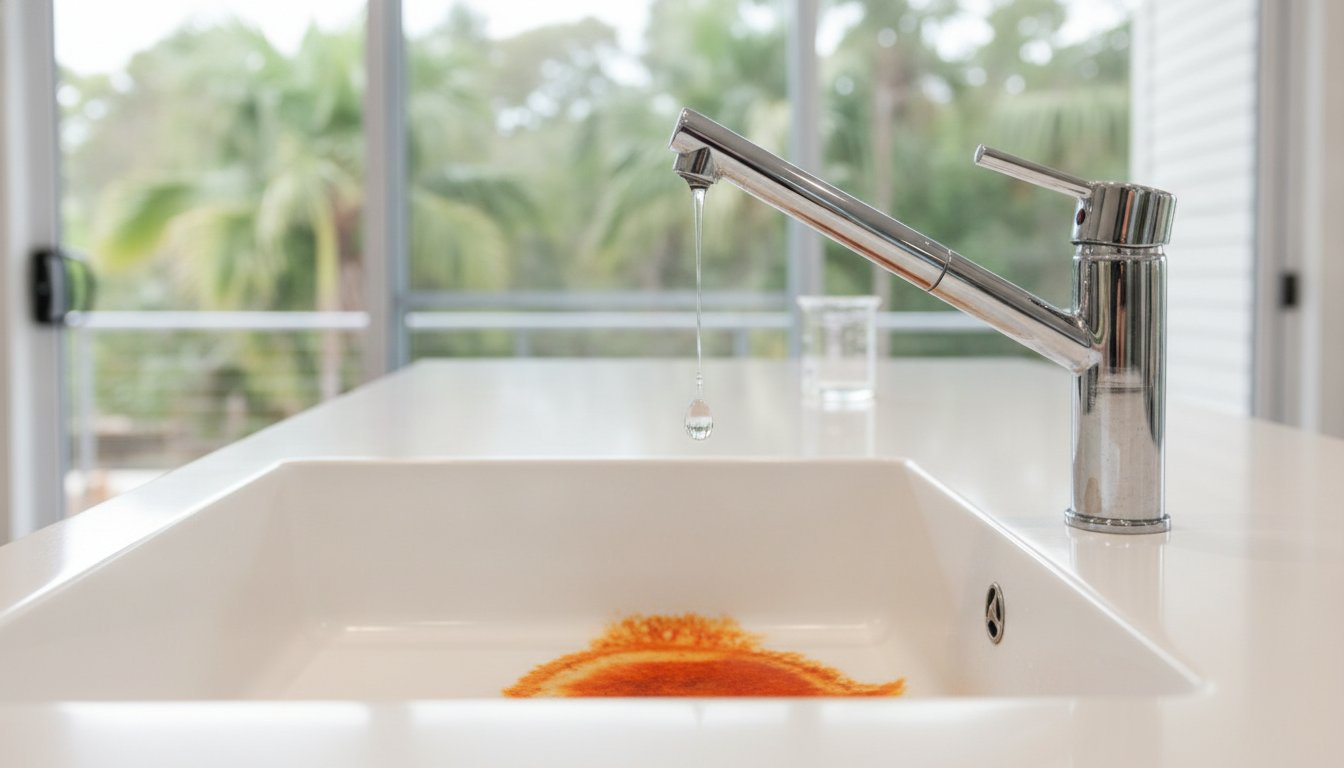
One of the clearest signs of pipe leaching is the presence of blue-green staining on your bath, basins, or shower floor. This colour indicates that copper is being stripped from your pipes and deposited on your fixtures. You might notice the metallic tang is most intense during the "first flush" of the morning. Because the water has sat in your pipes overnight, it has had hours to absorb metal ions. Over time, this constant corrosion wears down tapware and can significantly shorten the lifespan of your hot water system's internal components.
The secondary impact of high TDS
Total Dissolved Solids (TDS) refers to the total concentration of dissolved substances in your water, including minerals, salts, and metals. While pH affects the rate of corrosion, TDS influences the "mouthfeel" and overall character of the water. High TDS levels can make water feel "heavy" or leave a lingering aftertaste on the palate. In coastal areas, a high TDS reading often points to salinity, which can sometimes be mistaken for a metallic tang or a bitter edge. Knowing your TDS count helps distinguish between a simple mineral balance issue and a more complex salinity problem.
How to identify the exact cause in your bore
Identifying the source of a metallic tang starts at your tap. Before you book a test, take a moment to look for physical clues around your home. Orange staining on fences or bathroom tiles suggests iron, while black silty deposits usually point toward manganese. If you see blue-green streaks in your bath or basins, your water is likely acidic and leaching copper from your pipes. These visual signs are excellent indicators, but they don't provide the precise measurements needed to choose an effective treatment system.
To truly understand what causes metallic taste in bore water, you must move beyond guesswork. A professional Bore Water Analysis provides the baseline data required to see exactly which minerals are present and at what concentrations. Once you have these results, you can compare them against the Australian Drinking Water Guidelines (ADWG) to see if your supply sits outside the preferred range for aesthetic quality.
Why professional lab testing beats DIY kits
Hardware store test strips are handy for a quick pH check, but they often lack the sensitivity needed for heavy metals. Laboratory-grade equipment is essential for measuring iron and manganese in parts-per-million (ppm). Small concentrations that a DIY kit might miss can still cause significant staining and taste issues. Because groundwater chemistry can be complex, having a precise reading ensures you don't waste money on the wrong equipment. For more help reading these technical numbers, see our guide on Interpreting Heavy Metal Water Test Results.
What a Bore Water Analysis includes
A comprehensive assessment provides a full chemical profile of your supply. This typically includes testing for several key parameters:
- pH and Alkalinity: These determine how corrosive your water is to household plumbing.
- Electrical Conductivity: This measures the total dissolved solids and salinity levels.
- Dissolved Iron and Manganese: The primary minerals responsible for taste and staining.
- Total Hardness: Indicates the level of calcium and magnesium that can cause scale buildup.
Sunshine Coast Water Testing helps local households understand what is actually in their bore water before choosing a treatment option. We provide a plain-English summary that explains the "so what" of your data. This ensures you understand the recommendations based on our local Sunshine Coast environment. Local residents can also drop samples at our Sunshine Coast laboratory. We recommend starting with a professional test as a practical first step to identify the root cause of that metallic tang. Book your Bore Water Analysis today to get a clear explanation of your water's chemistry.

Practical next steps to remove the metallic taste
Your lab report is more than just a list of technical data; it's a strategic roadmap for targeted treatment. Once you understand exactly what causes metallic taste in bore water on your specific property, you can avoid the frustration of buying the wrong equipment. Many homeowners find that generic "one size fits all" filters from hardware stores fail within months. This is because bore water chemistry is highly site-specific. A filter designed for city water won't have the capacity to handle the high mineral loads or the aggressive acidity often found in Sunshine Coast groundwater.
Effective treatment generally targets two distinct issues. If your analysis reveals a low pH, your first priority is pH correction. This often involves a calcite filter to neutralise acidity, which prevents the water from leaching metals out of your pipes. On the other hand, if the problem is high concentrations of iron or manganese, you'll likely need an oxidation and filtration system. This process turns dissolved minerals into solid particles so they can be physically trapped and removed. Attempting to filter out minerals while the water is still acidic is rarely successful in the long term.
Choosing a treatment specialist
Knowing the chemistry of your water allows you to choose the right fix with confidence. Sunshine Coast Water Testing helps local households understand what is actually in their tank or bore water before choosing a treatment option. We identify the root cause of the issue and provide a plain-English summary of the results. For the practical implementation of these solutions, such as installing specialised filtration or pH correction systems, we recommend the experts at Pristine Water Systems Sunshine Coast. This targeted approach ensures you only buy the equipment you actually need, saving you money on maintenance and replacement cartridges.
Ongoing monitoring
It's important to remember that groundwater is a living system. Chemistry can shift significantly after heavy rainfall in the Hinterland or during a prolonged drought. These environmental changes can alter the saturation of minerals in your aquifer, potentially overwhelming your existing filtration. We recommend an annual "health check" for your bore to monitor these changes and ensure your water continues to meet the preferred ranges of the Australian Drinking Water Guidelines. This simple step provides peace of mind and keeps your household infrastructure protected year after year.
Ready to find out what’s in your water? Book a professional bore water test today to get a clear, independent explanation of your water's chemistry.
Take control of your bore water quality
Understanding what causes metallic taste in bore water is the first step toward restoring the quality of your home's supply. Whether the issue is naturally occurring iron and manganese or aggressive acidity leaching copper from your pipes, a clear diagnosis is essential. Guessing which filter to install often leads to wasted money and ongoing plumbing issues. By identifying the specific chemical profile of your bore, you can protect your household appliances and enjoy water that sits comfortably within the preferred ranges of the Australian Drinking Water Guidelines.
Sunshine Coast Water Testing provides the local expertise and professional laboratory analysis you need to move forward with confidence. We don't just provide raw data; every test includes a plain-English summary of results so you know exactly what the numbers mean for your household. Before you invest in expensive filtration systems, take a practical first step. Understand your bore water with a professional analysis and get the clarity you deserve. With the right information, you can resolve that metallic tang and ensure your bore remains a reliable asset for your property.
Frequently Asked Questions
Is bore water with a metallic taste safe to drink?
A metallic taste usually indicates that mineral levels or pH are outside the preferred range of the Australian Drinking Water Guidelines. While often considered an aesthetic issue, high levels of certain metals can affect the water's character and lead to staining. A professional test identifies exactly what is in your supply so you can understand the chemical profile before choosing a treatment option.
Will iron in my bore water stain my pool or driveway?
Yes, dissolved iron in bore water frequently causes orange or rust-coloured staining on porous surfaces like concrete driveways and pool surrounds. When the water hits the air, the iron oxidises and settles as a permanent visible stain. This is a common reason local homeowners seek to understand what causes metallic taste in bore water on their property before using it for outdoor cleaning.
Can I use bore water that tastes metallic for my vegetable garden?
Most garden plants tolerate moderate mineral levels, but high concentrations of iron or manganese can lead to leaf spotting or soil imbalances over time. If your water has a low pH, it may also affect how your plants absorb vital nutrients from the soil. Testing your bore provides the data needed to ensure your garden irrigation is effective and doesn't lead to mineral buildup in your patch.
How much does it cost to test my bore water on the Sunshine Coast?
Testing costs vary depending on the specific parameters you need to measure, such as standard minerals, heavy metals, or microbiological activity. We recommend contacting a local professional for a current quote based on your specific household needs. A comprehensive Bore Water Analysis is a practical investment compared to the cost of repairing corroded plumbing or replacing failed filtration systems later on.
Does boiling bore water remove the metallic taste?
No, boiling your water won't remove a metallic taste and can actually make the flavour more concentrated. Boiling removes water vapour but leaves behind the dissolved minerals like iron and manganese. In some cases, the heat can even speed up the oxidation process; this makes the mineral presence more obvious and can even change the colour of your water during cooking.
Why does my bore water taste fine but smell like rotten eggs?
A rotten egg smell is typically caused by hydrogen sulphide gas, which is often produced by naturally occurring bacteria in low-oxygen groundwater. This odour is separate from the minerals that cause a metallic tang, though both issues can appear in the same bore supply. A professional analysis can help distinguish between bacterial activity and chemical imbalances to ensure you get the right treatment.
How often should I test my bore water quality?
We recommend testing your bore water quality at least once a year to monitor for seasonal changes. Factors like heavy Hinterland rainfall or extended dry periods can shift the water table and change the concentration of dissolved minerals. Regular testing ensures your filtration system is still performing correctly and helps you catch any corrosive pH shifts before they damage your appliances.
Can a metallic taste be caused by my pump or storage tank?
Yes, a metallic taste can sometimes originate from corroding components within your pump, galvanised storage tanks, or household plumbing. If your water has a low pH, it becomes aggressive and leaches metals from these metal surfaces. This is a key part of what causes metallic taste in bore water, as the water chemistry interacts with your infrastructure on its way to the tap.

Article by
Stephen McDougall
Stephen McDougall is the owner of Pristine Water Systems Sunshine Coast and Sunshine Coast Water Testing, specialising in water quality, filtration, and tank systems. He is known for delivering clear, easy-to-understand advice and practical solutions to help clients maintain safe, reliable water.
Disclaimer
The information provided in this article is for general guidance only and is not a substitute for professional water testing or site-specific advice. Water quality can vary between properties. For accurate results and recommendations, we recommend professional testing and assessment.