Have you ever turned on your garden sprinklers only to have a thick cloud of sulphur drift across the fence just as your neighbours sit down for lunch? It is a frustrating and often embarrassing experience for property owners across the Sunshine Coast, especially in areas like Cooroy, Doonan, and Pomona where groundwater is a primary resource. When your bore water smells like rotten eggs, it is natural to worry about potential health risks for your family or whether the water might leave permanent stains on your fences and walls.
Protecting your home's surfaces from moisture-related issues is a key part of long-term property maintenance; for insights into professional property preservation, you can visit Smart Property Care Ltd.
We understand that you want peace of mind rather than a list of confusing chemical symbols. This guide explains the scientific cause behind that unpleasant odour, typically triggered by sulphur-reducing bacteria producing hydrogen sulphide gas. You will discover how to identify the exact cause through professional laboratory analysis and find a long-term treatment solution that works for your home or farm. We will show you why local testing with Sunshine Coast Water Testing is the essential first step to confirm if your supply meets the Australian Drinking Water Guidelines, before Pristine Water Systems Sunshine Coast provides the practical filtration or treatment needed to clear the air for good.
Key Takeaways
- Understand that when bore water smells like rotten eggs, it is usually caused by hydrogen sulphide gas produced by naturally occurring bacteria or organic decay in the aquifer.
- Learn how to perform a simple troubleshooting 'smell test' at home to determine if the odour is coming from your groundwater source or a localized plumbing issue.
- Discover why a professional laboratory analysis is the only way to confirm if your water meets the Australian Drinking Water Guidelines for household or farm use.
- Find out why you should never invest in expensive treatment systems until you have a plain-English report that identifies the exact chemical cause of the odour.
- See how the transition from local water testing to professional treatment provides a clear, long-term solution for properties across the Sunshine Coast and Noosa hinterland.
Table of Contents
- Understanding the Rotten Egg Odour in Australian Bore Water
- The Science: Why Does My Bore Water Smell?
- Identifying the Source: Is it the Bore or the Plumbing?
- Treatment Options for Hydrogen Sulphide and Odour
- Why Professional Laboratory Analysis is Essential
Understanding the Rotten Egg Odour in Australian Bore Water
If your bore water smells like rotten eggs, you aren't alone. This distinct, pungent scent is one of the most common complaints we hear from property owners across the Sunshine Coast, from the coastal blocks of Noosaville to the hinterland properties in Cooroy and Doonan. While the smell is enough to make you want to keep the windows shut when the sprinklers are on, it is usually a chemical red flag rather than a reason for immediate panic. Understanding what is happening deep underground is the first step toward reclaiming your water quality.
The primary culprit is a gas that is incredibly effective at announcing its presence. Humans can detect this specific odour at concentrations as low as 0.5 parts per million (ppm), which means even a tiny amount can make a big impact on your morning shower or garden irrigation. In the context of Australian groundwater, this issue often arises when underground water tables fluctuate during dry periods, increasing the concentration of minerals and gases in the supply.
What is Hydrogen Sulphide?
The scientific name for that "stinky" smell is Hydrogen sulfide (H2S). It is a colourless gas that forms when organic matter, such as ancient vegetation or leaf litter, decomposes in an environment without oxygen. Hydrogen sulphide is a naturally occurring gas often found in anaerobic groundwater environments. When you pump water from a deep bore, you are bringing this gas to the surface where it escapes into the air, hitting your nose instantly. This process is particularly common in areas with acid sulphate soils, which are prevalent in many low-lying coastal regions of Queensland.
Is it Safe to Use Stinky Bore Water?
Many homeowners worry that the smell indicates a toxic supply. In most cases, the level of gas required to create a smell is considered an "aesthetic" issue rather than a direct health threat. However, if the water is used for drinking or cooking and the levels are high, it does not meet Australian Drinking Water Guidelines and should be addressed. Beyond the smell, there is often a psychological toll; "odour anxiety" can make you hesitant to use your own infrastructure or invite guests over.
It's also vital to remember that smell isn't everything. While H2S is obvious, more serious contaminants like E. coli or heavy metals can be completely odourless. This is why we always recommend a professional bore water test as your starting point. At Sunshine Coast Water Testing, we provide the laboratory analysis needed to identify if the smell is just an annoyance or a sign of a deeper microbiological issue. Once we identify the problem, our partners at Pristine Water Systems Sunshine Coast can step in with the right filtration or treatment solution to fix it.
The Science: Why Does My Bore Water Smell?
To understand why your bore water smells like rotten eggs, we have to look beneath the surface at the complex chemistry of the Sunshine Coast's groundwater. This scent isn't just a random occurrence; it is the result of specific biological and chemical processes happening in the low-oxygen environment of your aquifer. While it might seem like a disaster, it is actually a very common cycle in Australian geology, particularly in mineral-rich areas like Tinbeerwah or the sandy soils of Noosa.
Sulphur-Reducing Bacteria (SRB)
The most frequent cause of this odour is the presence of sulphur-reducing bacteria. These are naturally occurring organisms that thrive in anaerobic environments, which are places where oxygen is scarce, such as deep underground bores. These bacteria don't typically pose a direct health threat to humans or livestock, but they are a significant nuisance. They "breathe" by consuming naturally occurring sulphates in the soil and water, converting them into hydrogen sulphide gas as a byproduct. This gas stays dissolved in the water while it is under pressure in the ground, but the moment you turn on a tap or sprinkler, the gas is released into the air.
Geological and Environmental Factors
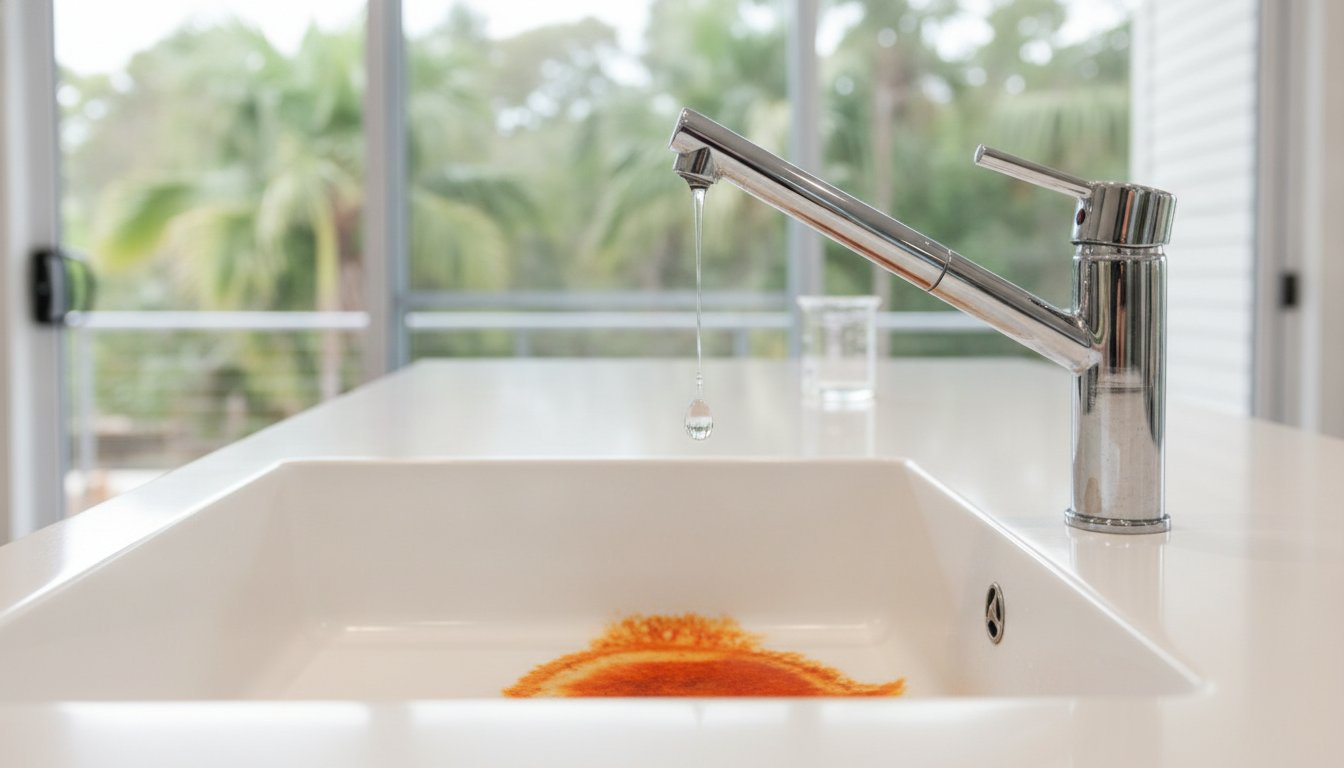
Our local landscape plays a massive role in your water's scent profile. Many parts of the Sunshine Coast contain acid sulphate soils. When these soils are disturbed by construction or changes in the water table, they can release high concentrations of sulphur into the groundwater. This issue is often compounded by the presence of iron and manganese. If you notice orange staining on your fences alongside that distinctive smell, you likely have a combination of iron and sulphur-reducing bacteria working together.
Seasonal shifts also influence the intensity of the scent. During a drought, the concentration of minerals in the shrinking water table increases, making the smell more pungent. Conversely, heavy rain can wash fresh organic matter into the system, providing a "feast" for the bacteria and causing a sudden spike in gas production. Because there are so many variables, understanding the specific treatment options for hydrogen sulfide depends entirely on knowing exactly what is in your water.
The depth of your bore and how it was constructed can also lead to gas accumulation. If a bore is not used frequently, the water can sit stagnant, allowing the gas to build up to overwhelming levels. To get to the bottom of what is happening in your specific supply, we recommend that you book a professional water test to identify the exact mineral and bacterial balance. Once we provide you with a report that actually makes sense, you can make an informed decision about the next steps for your property.
Identifying the Source: Is it the Bore or the Plumbing?
Before you commit to a major water treatment system, you need to play detective. It is a common mistake for homeowners in Noosa or Cooroy to assume the groundwater is to blame the moment their bore water smells like rotten eggs. However, the source of that stench might be sitting in your garage or hidden within your internal pipes rather than deep in the aquifer. Identifying the exact location of the problem saves you time and prevents you from paying for solutions you don't actually need.
The most effective way to diagnose the issue is a simple "smell test" conducted at different points around your property. Follow these steps to narrow down the culprit:
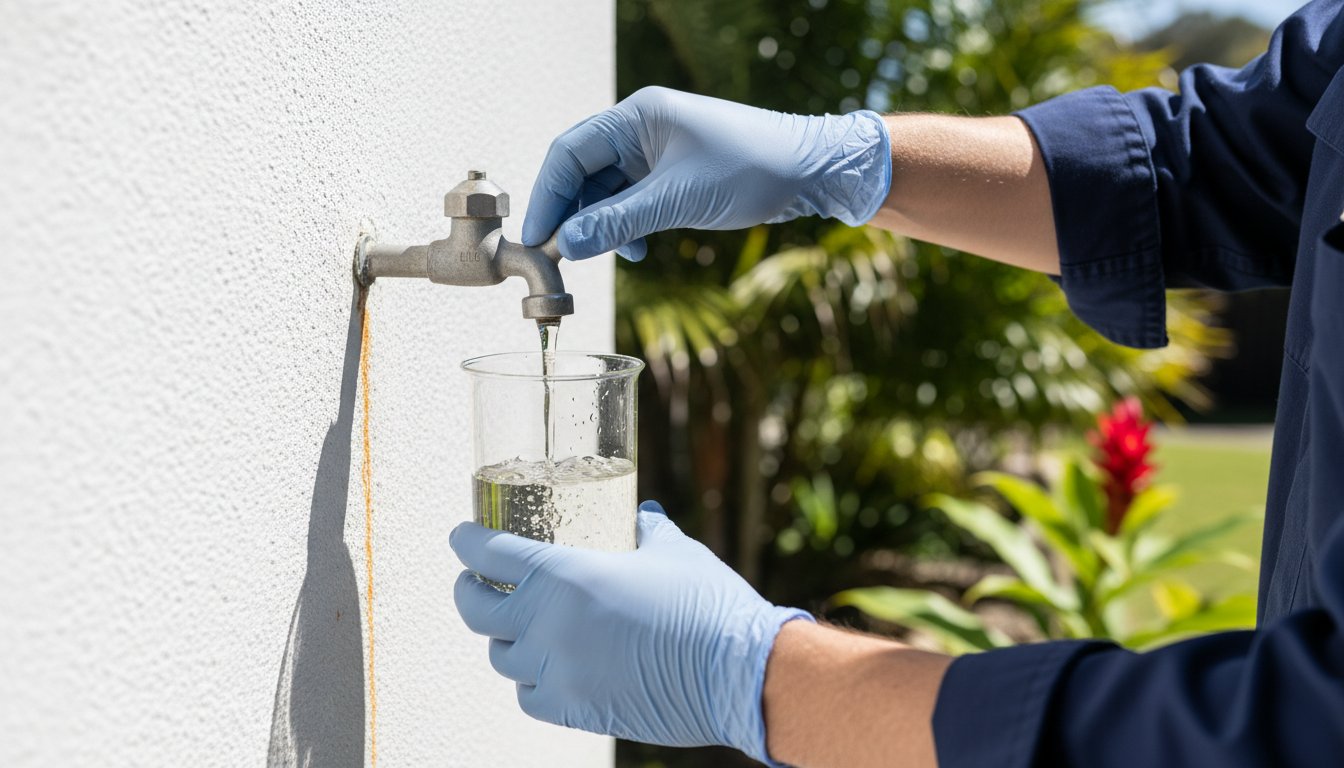
- Test at the source: Go to the tap closest to the bore head. Fill a clean glass, walk at least 10 metres away from the bore to avoid catching any ambient scent, and take a sniff. If the water here smells fine, your groundwater is likely clean.
- Test the cold kitchen tap: If the bore head is clear but the kitchen tap stinks, the issue is within your property's reticulation system. This often points to a buildup of biofilm or bacteria in "dead legs"—sections of pipe where water sits stagnant for long periods, a problem often addressed by drainage experts such as San Diego Drain Guys.
- Test the hot water: If the smell only hits you during a hot shower, the problem is almost certainly your hot water unit.
The Hot Water Unit Culprit
If the odour only appears when the hot tap is running, your water heater is the likely source. Most hot water systems in Australia use a sacrificial magnesium anode rod to prevent the tank from rusting. While these rods are essential for the unit's lifespan, they can react with naturally occurring sulphates in the water to create hydrogen sulphide gas. The Science of the Rotten Egg Smell highlights that this chemical reaction is a frequent cause of domestic water odours. In many cases, a plumber can solve this by simply replacing the magnesium rod with an aluminium or zinc alternative, which doesn't produce the same gassy reaction.
Plumbing vs. Groundwater Diagnosis
When the smell is present in both the hot and cold lines, it is time to look at the chemistry. You might have a high concentration of sulphur-reducing bacteria throughout your system, or the groundwater itself could be the primary source. To move beyond guesswork, we suggest using a Standard Drinking Water Test to baseline your house supply. This laboratory analysis identifies whether the issue is a harmless aesthetic concern or a sign that the water does not meet Australian Drinking Water Guidelines. At Sunshine Coast Water Testing, we give you a clear report that explains exactly what is happening in your pipes, so you know whether you need a simple plumbing flush or a more robust treatment solution from the team at Pristine Water Systems Sunshine Coast.
Treatment Options for Hydrogen Sulphide and Odour
Finding out that your bore water smells like rotten eggs is the first step toward fixing the problem. The second step is realising that you cannot fix what you haven't measured. We've seen many property owners in areas like Pomona and Doonan spend thousands on filtration systems that stop working after a few months because the water chemistry was more complex than a simple smell suggested. Treating bore water without a lab report is a gamble that rarely pays off. You need to know the pH, iron levels, and bacterial count to ensure any equipment you install can actually handle the load without failing prematurely.
Physical and Chemical Neutralisation
Aeration is often the most practical starting point for removing hydrogen sulphide gas. This physical process involves "stripping" the gas from the water by spraying it into a vented holding tank. If you're looking for high-quality, custom-fabricated storage solutions for your treatment system, you can find out more about expert metal fabrication. As the water droplets fall, the gas escapes into the air, leaving the water much fresher. It is a reliable, chemical-free way to manage moderate odour levels. For more persistent bacterial issues, shock chlorination can be used to disinfect the bore casing and internal plumbing. While this kills the sulphur-reducing bacteria currently in the system, it is often a temporary fix that requires repeating every six to twelve months to maintain results, with annual chlorine costs typically averaging around $200.
Activated carbon filters are another popular choice for improving taste and odour. However, they have significant limitations. If your H2S levels are high, a standard carbon cartridge can become saturated in just a few weeks. For a homeowner, replacing a $79.95 carbon cartridge every month quickly becomes an expensive burden. When your bore water smells like rotten eggs, understanding the mineral load is vital to avoid these maintenance traps.
Advanced Treatment Systems
When the water contains a combination of sulphur, iron, and manganese, you may require an oxidising filter. These systems use a special media to convert dissolved minerals into solid particles that are then trapped and backwashed out. For large-scale agricultural use or properties with extreme odour issues, chemical injection systems provide the most consistent results by precisely dosing the water to neutralise the gas instantly.
Water testing identifies the problem, and Pristine Water Systems Sunshine Coast provides the solution. Before you invest in a whole-of-house carbon filter system, which can cost between $1,800 and $1,950, you must ensure it is the right tool for your specific aquifer. A comprehensive bore water analysis is the essential prerequisite for sizing and selecting any treatment system. To get a clear picture of your water quality and avoid expensive mistakes, book a professional water test with our local team today.

Why Professional Laboratory Analysis is Essential
When your bore water smells like rotten eggs, it's tempting to grab a cheap DIY test kit from a local hardware store. While these kits might seem convenient, they often provide a vague, colour-coded result that lacks the precision needed for a real solution. A strip that turns slightly pink doesn't tell you the concentration of hydrogen sulphide, nor does it identify if the odour is masking more serious issues like E. coli or heavy metals. Relying on guesswork can lead to buying the wrong filtration system, which is a costly mistake for any property owner on the Sunshine Coast.
Professional laboratory analysis provides the certainty you need. By using NATA-accredited standards, we can measure minerals and bacteria to a minute degree of accuracy. For example, while a basic salinity test might cost as little as $33, a comprehensive analysis for parameters like pH, metals, and bacteria typically ranges from $150 to $299 depending on the level of detail required. This investment ensures your treatment plan is based on facts, not assumptions. SA Health even recommends that after an initial analysis, you should test your bore water every two years to monitor changes in the aquifer.
Local Expertise, Clear Results
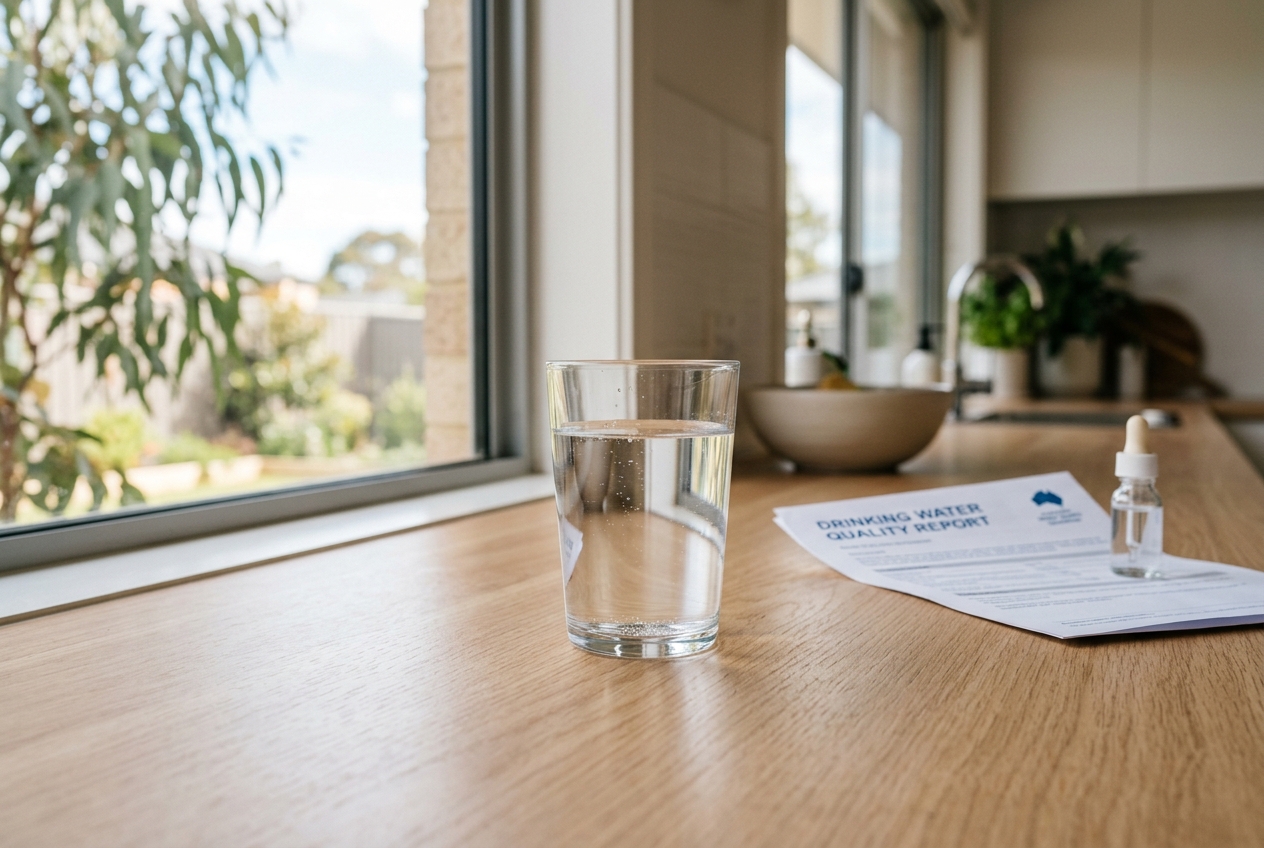
At Sunshine Coast Water Testing, we provide "More Than Just Numbers on a Page." We understand that a laboratory report can be overwhelming if you aren't a scientist. That is why we interpret the data for you, providing a plain-English summary that explains what the results mean for your household, livestock, or garden. A professional Bore Water Analysis identifies hidden contaminants that are completely odourless, ensuring your supply meets the Australian Drinking Water Guidelines.
Our local expertise is particularly valuable for residents in Noosa, Cooroy, and Doonan, where groundwater chemistry is influenced by specific coastal and hinterland soil types. Once our testing identifies the exact cause of your water issues, the team at Pristine Water Systems Sunshine Coast can step in to provide the solution. Whether it is a UV system, a specialised oxidising filter, or a simple tank clean, you'll have the peace of mind that the fix is tailored to your specific results.
Booking Your Test
Getting started is a simple, stress-free process. You don't need to be an expert in water chemistry to get the answers you need. We've streamlined our service to be fast, affordable, and practical for busy property owners. When you order a test kit, we provide clear instructions on how to collect a representative sample from your bore head or kitchen tap to ensure the most accurate review possible.
Don't let a stinky bore devalue your property or cause unnecessary worry for your family. Identifying the problem is the first step toward a clear, fresh water supply. Book your professional water test today for clear results and practical advice that actually makes sense.
Clear the Air and Reclaim Your Water Supply
Living with a supply where bore water smells like rotten eggs doesn't have to be your permanent reality. You now know that while hydrogen sulphide gas is a common nuisance across the Sunshine Coast hinterland, it is a problem with a clear scientific solution. By correctly identifying whether the scent originates in your hot water system or the aquifer itself, you save yourself from paying for treatments you don't need.
The path to fresh water always starts with accurate data. NATA-accredited laboratory testing provides the essential baseline to confirm if your supply meets the Australian Drinking Water Guidelines. At Sunshine Coast Water Testing, we deliver clear, easy-to-understand reports and practical advice for Australian property owners. Once our analysis identifies the specific bacterial or chemical cause, Pristine Water Systems Sunshine Coast can provide the targeted filtration or treatment required for a long-term fix.
Stop guessing about your water quality and start making informed decisions for your home or farm. Book your professional Bore Water Analysis today to receive a report that actually makes sense and enjoy the confidence of knowing your water is being managed by local experts who value your peace of mind.
Frequently Asked Questions
Is bore water that smells like rotten eggs safe to drink?
While hydrogen sulphide gas at low levels is primarily an aesthetic concern, water with this pungent odour does not meet Australian Drinking Water Guidelines and should be addressed. Odour alone isn't a reliable safety indicator, as harmful pathogens like E. coli are completely odourless. Professional testing is the only way to confirm your supply is safe for household consumption or cooking.
Can I use sulphurous bore water on my garden or lawn?
Most lawns and hardy garden plants tolerate sulphurous water well without any visible damage. However, if the hydrogen sulphide levels are exceptionally high, the water can become slightly acidic, which may affect sensitive plant species over time. If you notice orange staining on your leaves or fences, you likely have a combined iron issue that requires a specific treatment approach from a professional.
Will the rotten egg smell in my water go away on its own?
It is very rare for this issue to resolve itself without some form of intervention. When bore water smells like rotten eggs, it usually indicates a stable biological colony of sulphur-reducing bacteria or a specific geological condition in the aquifer. You might notice the smell becomes more pungent during dry periods or after heavy rain, but the underlying source will remain until treated.
Why does only my hot water smell like rotten eggs?
If the stench only appears when the hot tap is running, the culprit is your hot water system's sacrificial anode rod. These magnesium rods can react with naturally occurring sulphates in the water to produce hydrogen sulphide gas inside the tank. A plumber can usually resolve this by installing an aluminium or zinc anode rod, which doesn't produce the same gassy reaction. If you're interested in professional standards for these types of repairs, you can discover Sweet Dreams Plumbing and their approach to residential plumbing care.
Does hydrogen sulphide in water cause staining on my house or fences?
Hydrogen sulphide gas doesn't leave stains on its own; it simply disappears into the air. However, the conditions that produce this gas often lead to high levels of iron and manganese in the groundwater. These minerals are the real cause of the stubborn orange or black staining you see on Sunshine Coast fences, walls, and driveways in areas like Doonan and Cooroy.
How much does it cost to test my bore water for sulphur and bacteria?
A comprehensive analysis for parameters like bacteria, pH, and metals from a NATA-accredited facility typically costs between $150 and $299. For example, the Tweed Laboratory Centre's 2024–25 price for a standard bore analysis is $150. Investing in an accurate report prevents you from wasting money on ineffective filtration systems that aren't suited to your specific water chemistry.
Can I use bleach to fix the smell in my bore?
Shock chlorination with liquid bleach can kill the sulphur-reducing bacteria currently living in your bore casing. This is often a temporary fix that requires repeating every six to twelve months to keep the odour at bay. The annual cost for chlorine dosing is approximately $200, making it a manageable maintenance task for many property owners who want a quick improvement.
What is the difference between a DIY kit and a laboratory bore water analysis?
DIY kits provide a vague, colour-coded snapshot that lacks the precision needed to design a proper treatment system. A laboratory analysis gives you a detailed, scientific breakdown of your water chemistry. At Sunshine Coast Water Testing, we provide "Clear Results and Practical Advice" to help you understand why your bore water smells like rotten eggs and exactly what steps to take next.

Article by
Stephen McDougall
Stephen McDougall is the owner of Pristine Water Systems Sunshine Coast and Sunshine Coast Water Testing, specialising in water quality, filtration, and tank systems. He's known for giving clear, easy-to-understand advice and practical solutions to help clients maintain safe, reliable water.
Disclaimer
The information provided in this article is for general guidance only and is not a substitute for professional water testing or site-specific advice. Water quality can vary between properties. For accurate results and recommendations, we recommend professional testing and assessment.