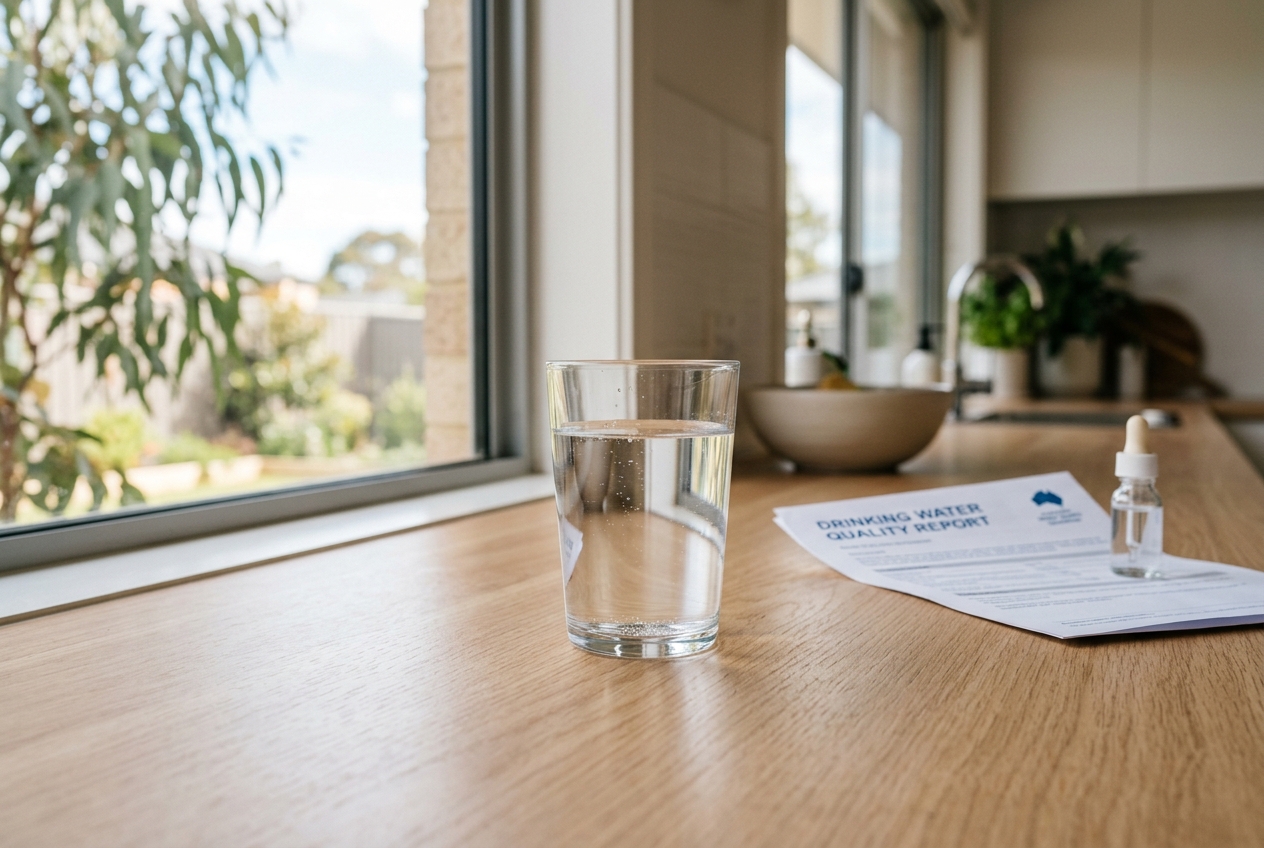
Heavy metals are the contaminants nobody sees coming — literally. Lead, arsenic, copper, manganese and chromium are tasteless and invisible at the levels that matter, and the health effects build slowly over years of exposure. The only way to know whether they're in your water is a laboratory test.
The Australian Drinking Water Guidelines explained set a specific limit for each metal. A result above the guideline value does not meet Australian Drinking Water Guidelines and should be addressed.
Where Heavy Metals Come From
Your plumbing and roof
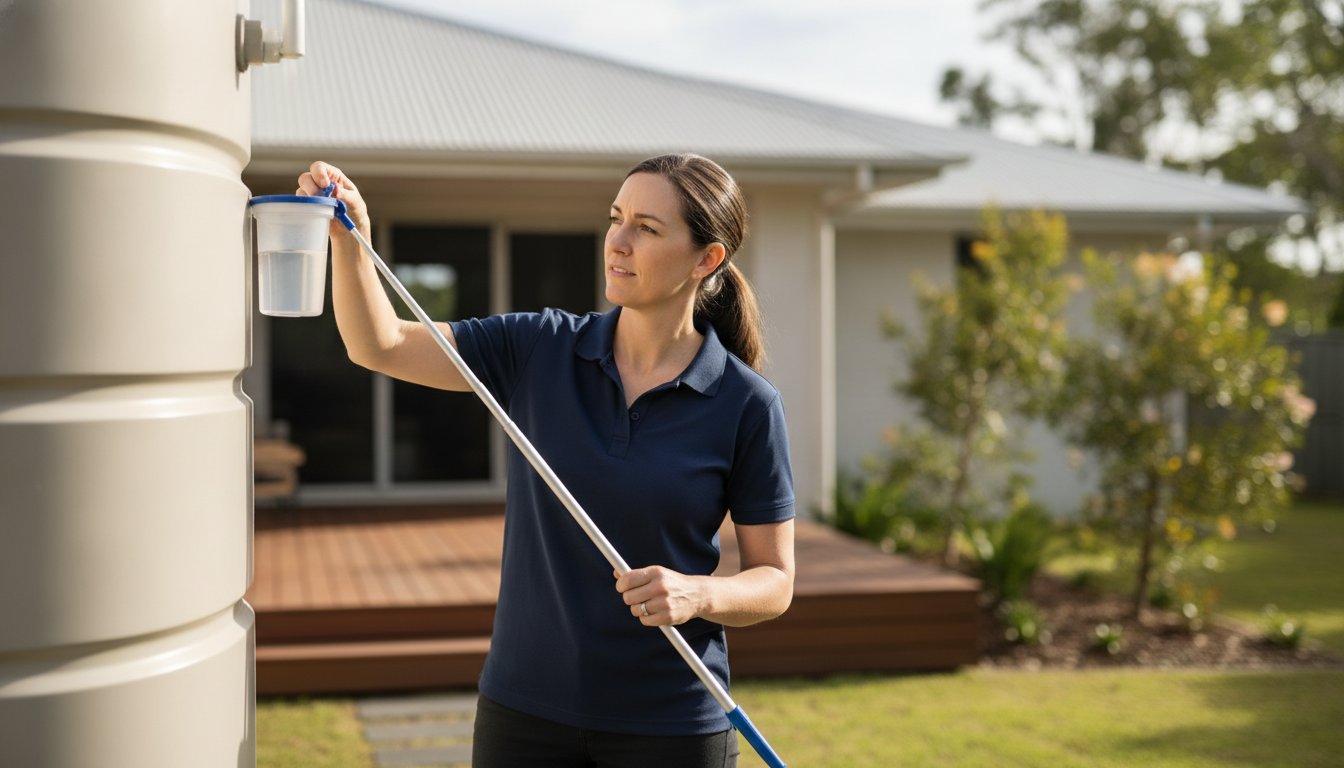
- Lead — old solder joints, brass fittings and lead roof flashing. Acidic tank water accelerates leaching (see our tank water safety guide)
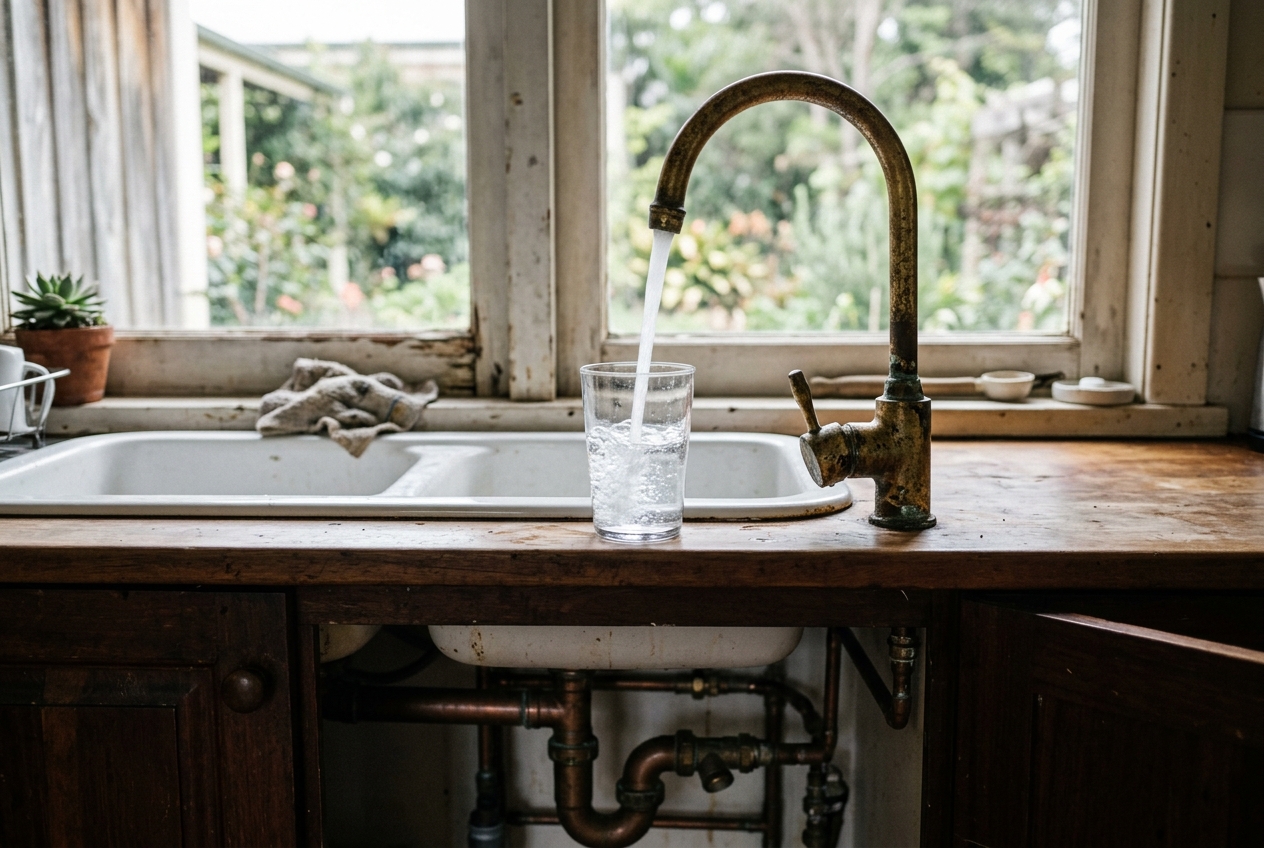
- Copper — dissolved from copper pipes, especially by acidic water
- Zinc — from galvanised roofs and older galvanised tanks
The ground itself
- Arsenic — naturally present in some Australian aquifers and areas with historical mining
- Manganese and iron — very common in groundwater; staining and taste at lower levels, health considerations at higher levels
- Chromium and nickel — depend on local geology and land use history
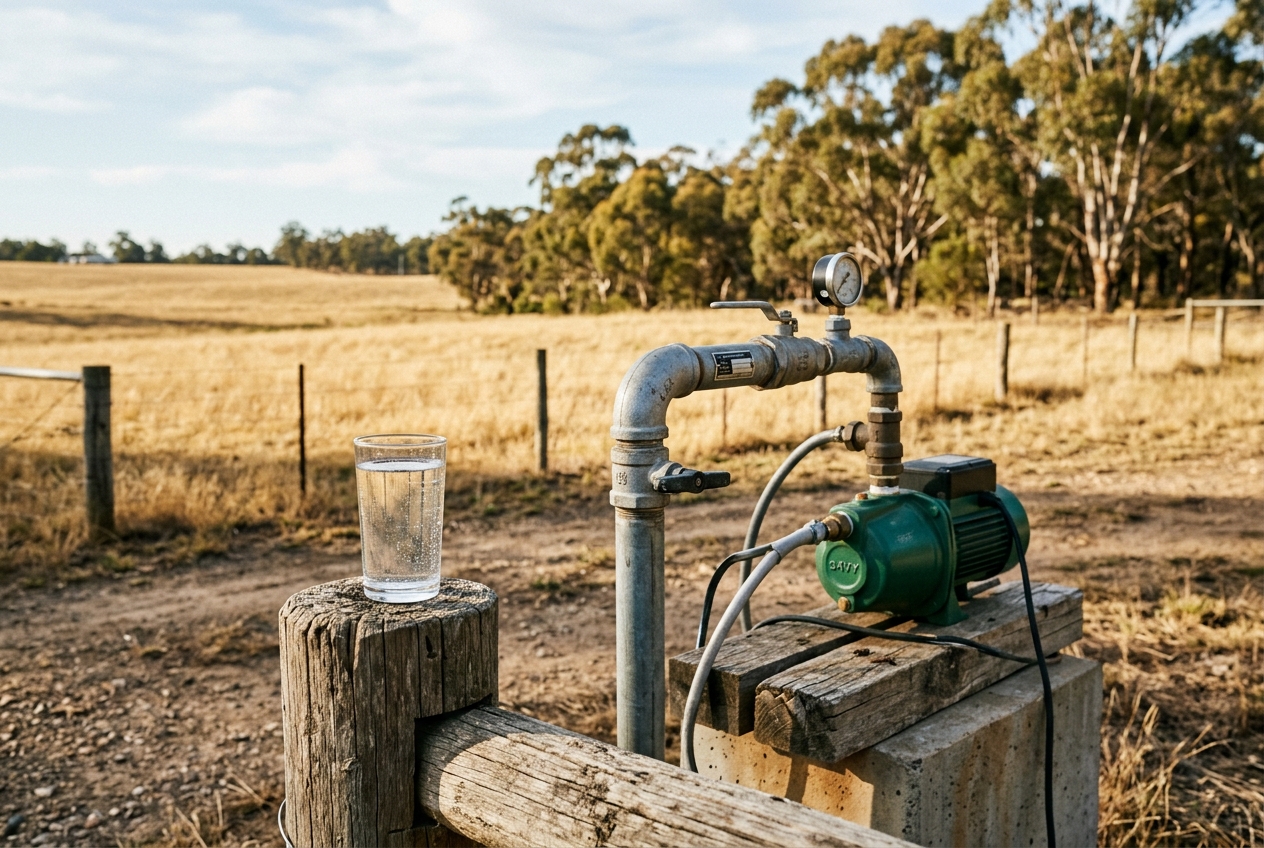
Bore owners carry the most geological risk — our bore water safety guide covers which metals are common in which regions.
Key Guideline Values
| Metal | ADWG Guideline | Main Source |
|---|---|---|
| Lead | 0.01 mg/L | Old plumbing, roof flashing |
| Arsenic | 0.01 mg/L | Natural geology, historical mining |
| Copper | 2 mg/L (health) | Pipe corrosion |
| Manganese | 0.1 mg/L (health) | Natural groundwater |
| Chromium | 0.05 mg/L | Geology, industrial land use |
What to Do About a Heavy Metal Result
- Identify the source. A first-draw versus flushed sample comparison shows whether the metal is coming from your plumbing or your source water.
- Reduce exposure now. Flush taps before drinking, use cold water for cooking, and consider bottled water for infants until levels are confirmed.
- Treat or replace. Reverse osmosis and certified metal-reduction filters work well; replacing lead flashing or old fittings is the permanent fix.
- Retest. Confirm the fix worked before relying on the water again.
Not sure where to start? Our guide on how to test your water explains sampling, turnaround and what a report looks like.
Frequently Asked Questions
What heavy metals are found in Australian water?
The most common are lead (from old plumbing and roof flashing), copper (from pipe corrosion), and in some bore water, naturally occurring arsenic, manganese, chromium or nickel depending on local geology.
Can you taste heavy metals in water?
Mostly no. Copper and iron can give a metallic taste at higher levels, but lead and arsenic are tasteless, odourless and invisible at the concentrations that matter. Laboratory testing is the only way to know they're there.
Do water filters remove heavy metals?
Reverse osmosis and filters certified for specific metals can reduce them effectively. The right filter depends on which metal is present and at what level — which is why testing comes before treatment.
Worried about metals in your water?
Screen your water for lead, copper and other metals — with plain-English results measured against the Australian Drinking Water Guidelines.