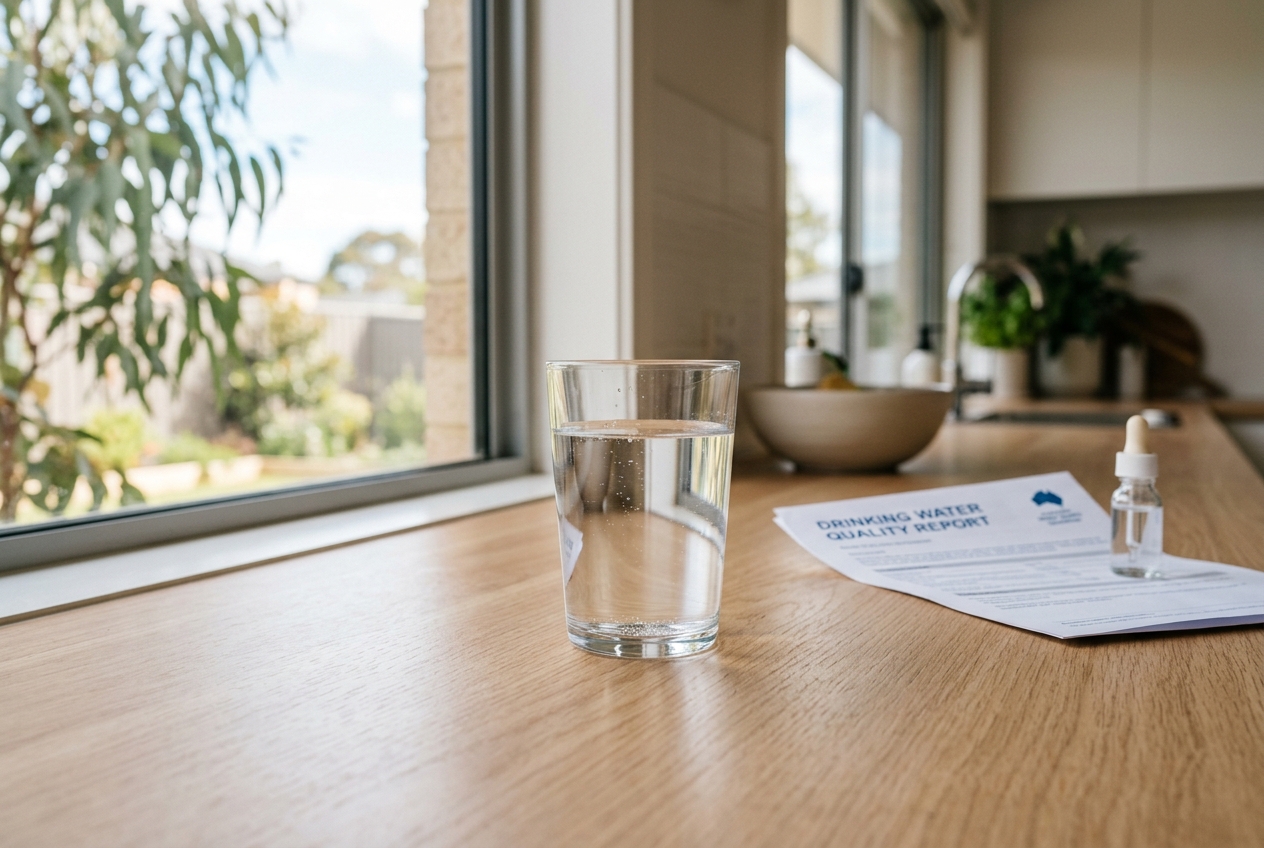
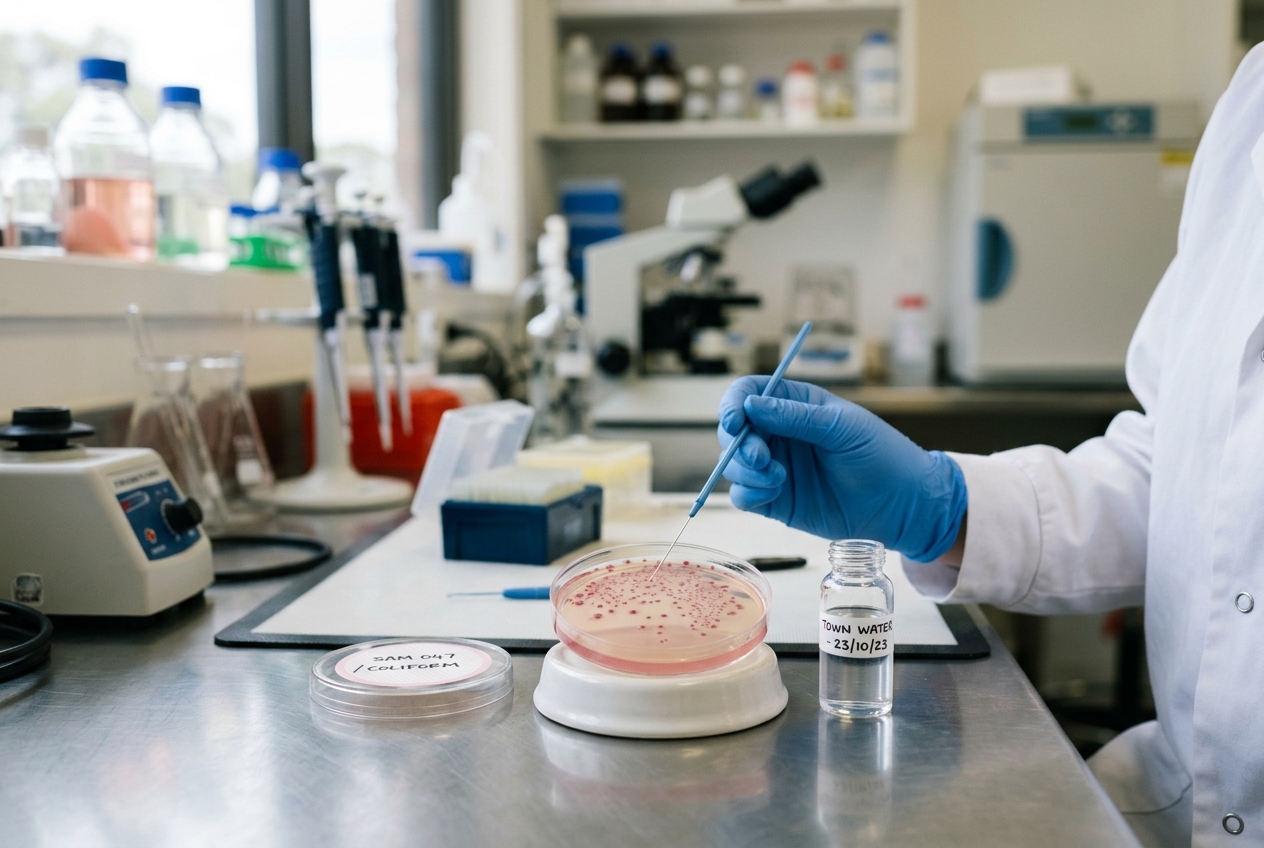
If your water test results show coliform bacteria detected, it means something is getting into your water supply that shouldn't be there. Coliforms are indicator organisms — they may not make you sick on their own, but their presence tells you there's a contamination pathway that could also let in more harmful bacteria.
The Australian Drinking Water Guidelines set the acceptable level of coliforms at zero per 100mL. Any detection warrants action.
What Are Coliforms?
Coliforms are a group of bacteria found naturally in soil, vegetation, and the intestines of warm-blooded animals. They're used as indicator organisms in water testing because they're easier to detect than individual pathogens — and if they can get into your water, so can more dangerous organisms.
There are two key distinctions:
- Coliforms — the broad group. Detection means a contamination pathway exists. The source could be soil, decaying plant matter, animal droppings, or faecal contamination.
- E. coli — a specific coliform found only in faecal matter. If E. coli is detected, the contamination is definitely faecal in origin and the water should not be consumed.
Most water testing laboratories report both, so you'll know whether your coliform result is a general warning or a confirmed faecal contamination issue.
Common Sources of Coliform in Tank and Bore Water
Tank Water
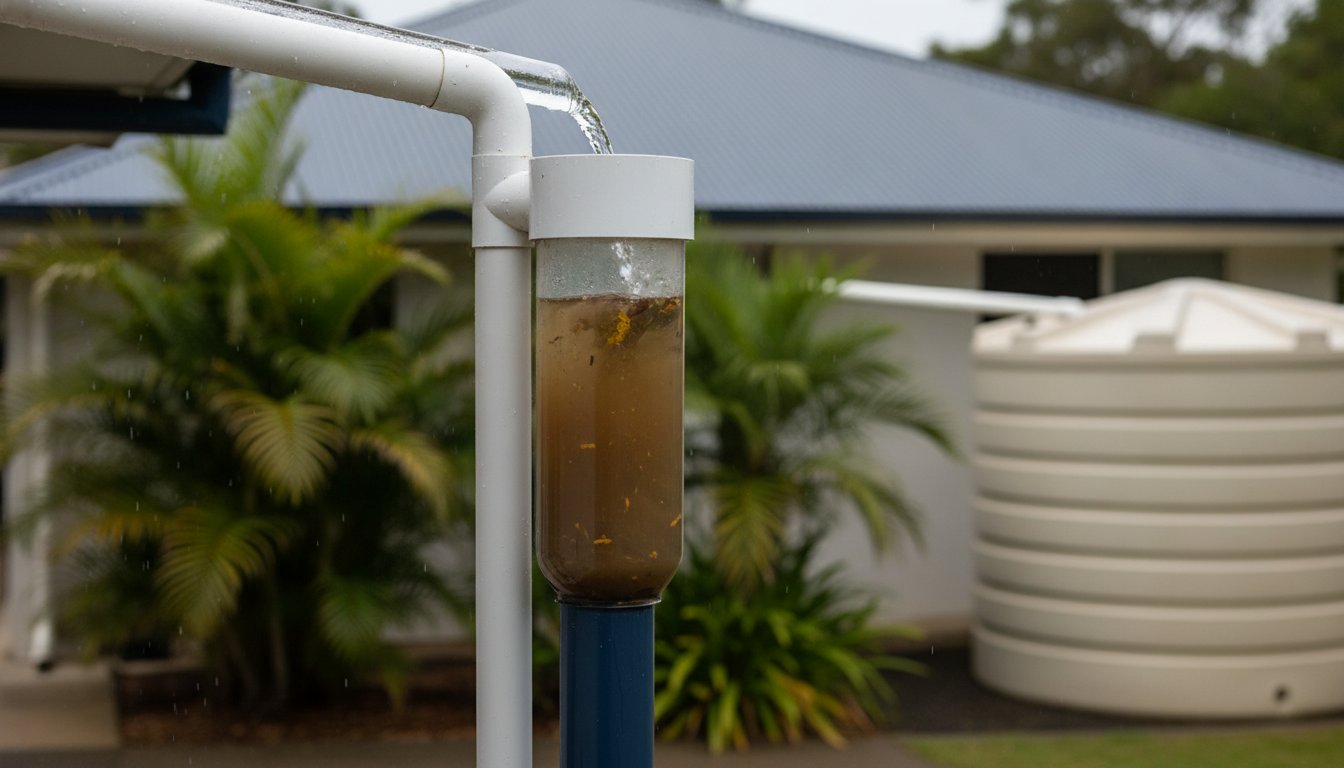
- Bird and animal droppings washing off the roof into the tank
- Dead animals (birds, frogs, possums) inside the tank
- Sediment build-up on the tank floor harbouring bacteria
- Poorly sealed lids or inlets allowing animal or insect access
- Missing or blocked first-flush diverters
Bore Water
- Cracked or damaged bore casing allowing surface water in
- Nearby septic systems leaching into the groundwater
- Surface water infiltration during heavy rain or flooding
- Poor bore head sealing
What to Do If Coliform Is Detected
- Don't panic, but do act. Coliforms without E. coli are a warning, not an emergency — but you need to find and fix the contamination source.
- Check the E. coli result. If E. coli is also detected, stop drinking the water immediately until the source is resolved and a retest comes back clean.
- Inspect your system. For tanks: check the roof, gutters, first-flush diverter, tank lid, inlet screens, and look for signs of animal access. For bores: inspect the bore casing and head seal. Our bore water safety and tank water safety guides cover prevention in detail.
- Clean and disinfect. Tanks may need professional cleaning. Bores may need chlorination and flushing.
- Retest after remediation. Don't assume the fix worked — confirm it with a follow-up coliform water test.
When to Test for Coliforms
- At least once a year as part of your routine water quality assessment (see how to test your water)
- After heavy rain, flooding, or storm events
- After tank cleaning or bore maintenance
- If anyone in the household has unexplained gastro symptoms
- If you notice changes in water taste, colour, or smell
- Before buying or selling a property with a private water supply
Frequently Asked Questions
What does coliform in water mean?
Coliforms are a group of bacteria found naturally in soil, vegetation, and animal waste. Their presence in drinking water indicates a possible contamination pathway — meaning something is getting into your water that shouldn't be. Coliforms themselves may not make you sick, but they signal that harmful organisms like E. coli could also be present.
Is coliform in tank water dangerous?
Coliforms alone are not necessarily dangerous, but they are a warning sign. The Australian Drinking Water Guidelines set the safe level at zero per 100mL. If coliforms are detected, your water system has a contamination pathway that needs investigation — even if no one is currently unwell.
What is the difference between coliforms and E. coli?
Coliforms are a broad group of bacteria that indicate a contamination pathway. E. coli is a specific type of coliform that only comes from faecal matter — human or animal. E. coli detection is more serious because it confirms faecal contamination, while coliforms may come from soil, vegetation, or animal sources.
Ready to test your water?
Find out whether coliforms — or anything else — are in your household water, with plain-English results measured against the Australian Drinking Water Guidelines.