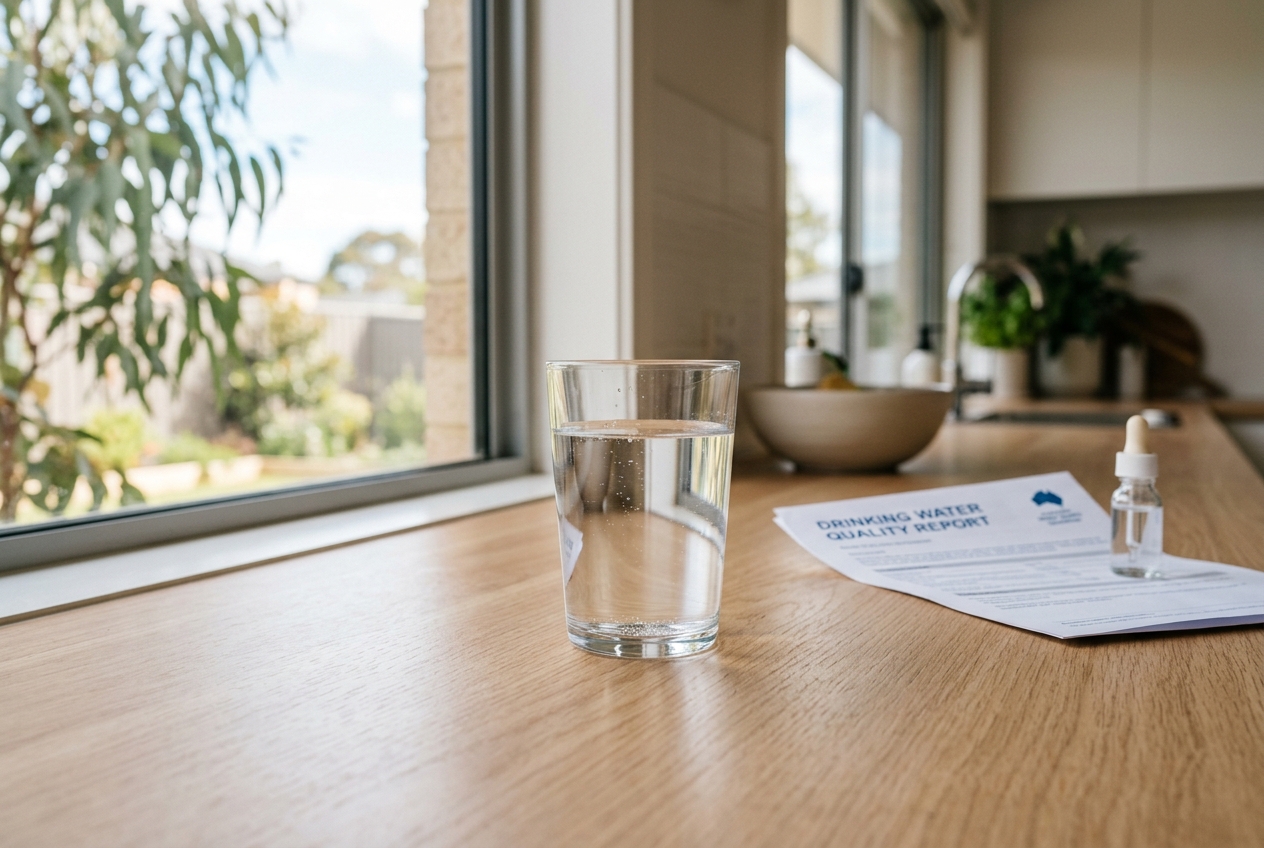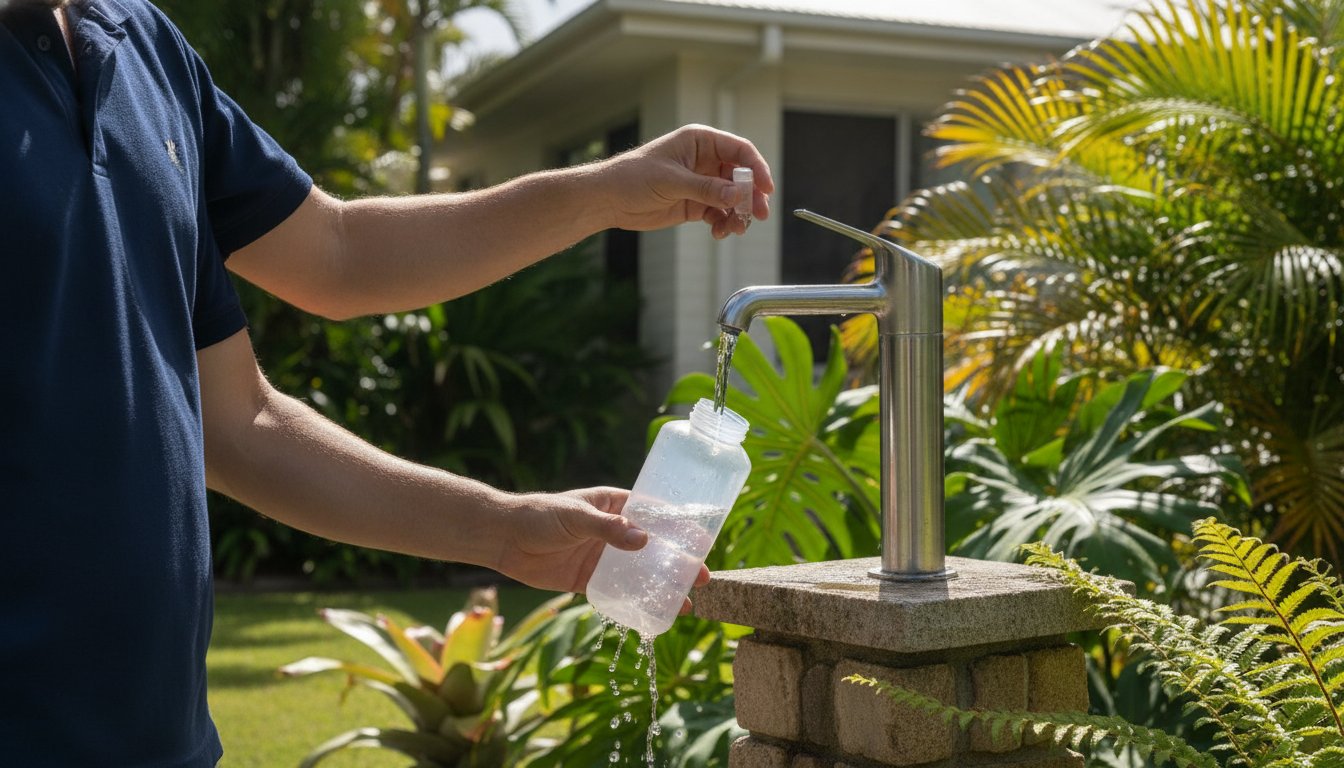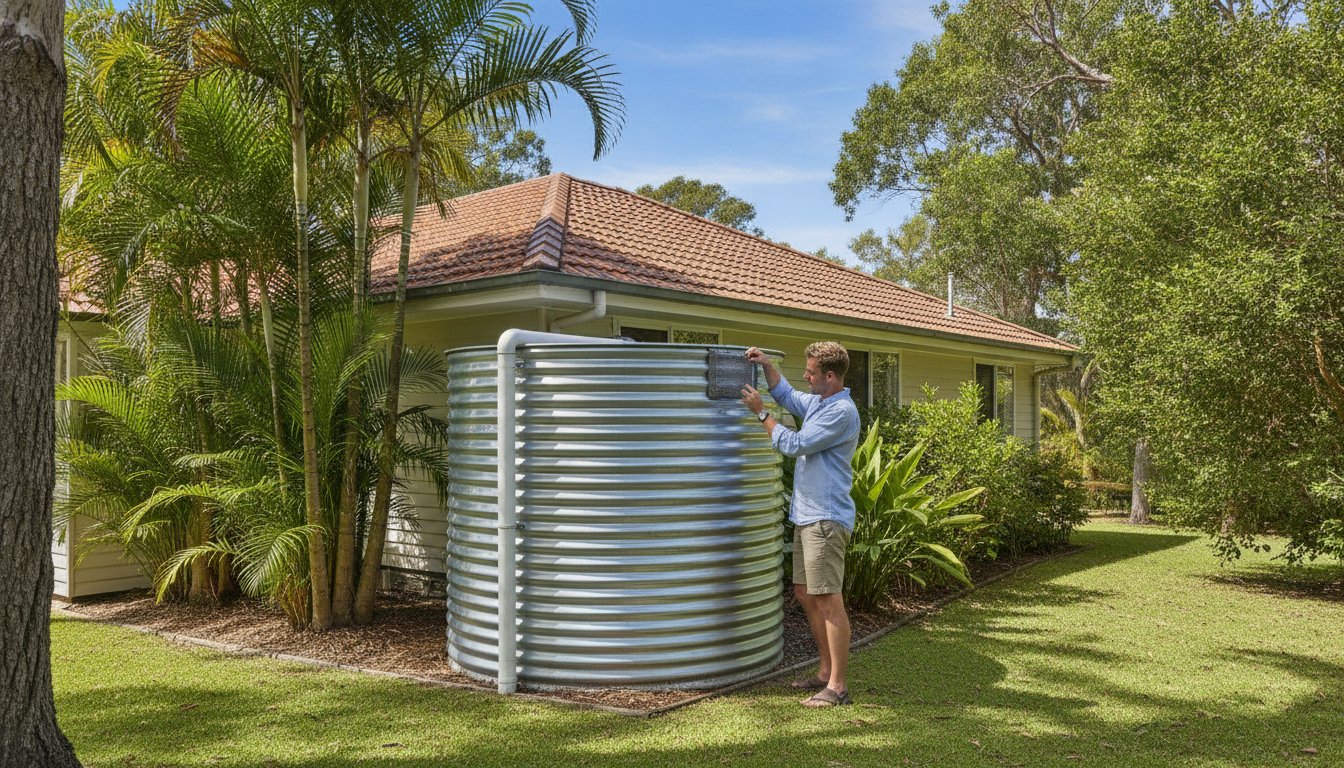
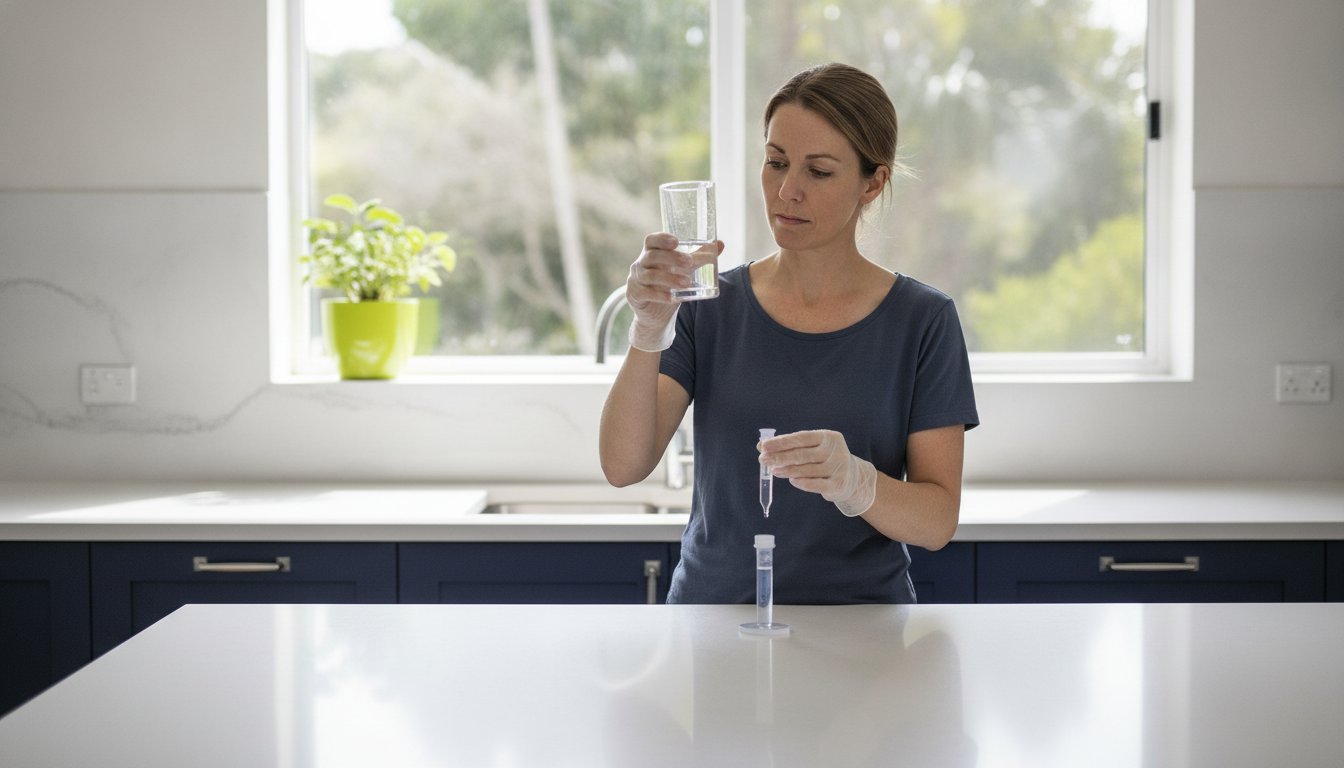
If your kitchen tap water looks clear and smells fine, does that mean it actually meets Australian Drinking Water Guidelines? Most homeowners from Noosa to the hinterland assume that if their water hasn't changed colour, it's perfectly fine for the family. However, there are often subtle signs you need to test your drinking water that aren't immediately obvious. It's natural to feel a bit of uncertainty when you hear about mineral buildup or tank sediment, especially when technical jargon makes the whole process feel overwhelming.
Sunshine Coast Water Testing helps local households understand what is actually in their tank or bore water before choosing a treatment option. In this guide, you'll learn how to identify hidden changes, from white spotting on your glassware in Cooroy to a slight metallic tang in your tea. A professional water test gives you a clearer picture of the issue, with results explained in plain English. We'll walk through a practical checklist for your household and explain when a laboratory test is the most sensible next step — and if results come back with problems, our guide to handling a bad water test result explains what to do next — to ensure your water quality is worth investigating further.
Key Takeaways
- Identify why changes in the taste, smell, or colour of your tap water are often the first indicators that your filtration or storage system requires attention.
- Learn how to spot the signs you need to test your drinking water by monitoring mineral scaling on fixtures and staining on laundry or bathroom surfaces.
- Understand how environmental events, such as heavy rain or local construction, can impact the quality of your tank or bore water supply.
- Discover the importance of establishing a water quality baseline when moving into a new property or during significant household milestones.
- Gain clarity on the benefits of professional laboratory testing over DIY kits to ensure your results are explained in plain English and aligned with Australian guidelines.
Unusual Sensory Changes: Taste, Smell, and Colour
Your senses are often the most reliable early warning system for your home water supply. While modern water testing methods provide the scientific proof, your nose and tongue usually notice a problem first. It's easy to dismiss a slight tang or a faint scent, but these are primary signs you need to test your drinking water. Sunshine Coast Water Testing helps local households understand what is actually in their tank or bore water before choosing a treatment option.
It's vital to distinguish between aesthetic issues and health-related concerns. For example, high iron levels might turn your tea black or stain your laundry, which is an aesthetic nuisance. However, other changes might indicate that your water does not meet guideline values set by the Australian Drinking Water Guidelines (ADWG). If a change occurs suddenly, particularly after heavy rain in the hinterland or a long dry spell, it suggests a shift in the environment that is worth investigating.
Metallic, Salty, or Bitter Tastes
Does your water have a distinct metallic tang? This often points to pipe corrosion or high mineral content, such as copper or iron, leaching into the supply. In coastal areas like Noosa, bore water users often report a salty or brackish flavour. This usually indicates high salinity levels as seawater intrudes into the aquifer. Conversely, a sharp, bitter taste might suggest a pH imbalance. A professional water test gives you a clearer picture of the issue, with results explained in plain English, helping you decide if you need to adjust your system's alkalinity.
Odours: From Rotten Eggs to Swimming Pools
A "rotten egg" smell is a common complaint for Sunshine Coast residents using groundwater. This is caused by hydrogen sulphide gas produced by bacteria in deep bores. While it's unpleasant, it is a clear signal to check your filtration. If you notice a strong chlorine scent, it might indicate high treatment levels in a shared system or a recent shock treatment in your tank. For rainwater tank users, earthy or musty smells typically suggest a buildup of organic matter, such as decaying leaves or sediment, which can impact the overall health of your storage.
Visible Discolouration and Turbidity
Brown or "rusty" water is a visual cue that iron is present or that your plumbing is ageing. Milky or cloudy water, known as turbidity, is often caused by fine suspended particles that haven't settled. While discolouration is easy to see, remember that many contaminants, including certain heavy metals and bacteria, are completely invisible and odourless. If you're concerned about your water's appearance, you can book a standard drinking water test to confirm exactly what you're dealing with.
Clues from Your Fixtures: Staining and Scaling
Have you noticed strange markings on your porcelain or white laundry? Your bathroom and laundry fixtures act as long-term monitors for your household water quality. While a single glass of water might look clear, the cumulative effect of minerals and metals leaving deposits on your surfaces tells a different story. These visual cues are reliable signs you need to test your drinking water, as they often reveal issues that are invisible to the naked eye but damaging to your home’s infrastructure.
In regional areas across the Sunshine Coast, from Cooroy to the hinterland, many properties rely on groundwater or rainwater tanks. These sources are particularly prone to mineral variations. High mineral content doesn't just look untidy; it significantly impacts the lifespan of expensive household appliances like dishwashers and washing machines. Investing in a professional water analysis is the most practical way to confirm what is causing these deposits before they lead to permanent damage.
Persistent Stains on Sinks and Laundry
The colour of the stain on your sink provides a specific clue about what's in your water. Blue-green staining is a classic indicator of copper pipe corrosion, often caused by acidic water with a low pH. If you're seeing reddish-brown streaks, it's a strong sign of high iron levels, which is common in many local bores. Dark brown or black spotting is usually linked to manganese. These metals can ruin a load of white washing and leave permanent marks on stone benchtops if left unaddressed. Sunshine Coast Water Testing helps local households understand what is actually in their tank or bore water before choosing a treatment option.
Scale Build-up and Reduced Water Pressure
Hard water is a common concern for properties in our region. When calcium and magnesium levels are high, they create "scale", a hard, white crust that builds up inside kettles, on showerheads, and within your hot water system. This buildup forces your appliances to work harder, reducing their efficiency and increasing your energy bills. If you've noticed a sudden drop in water pressure, it might not be a plumbing leak. It could be a sign of internal pipe scaling that is slowly restricting flow. A professional water test gives you a clearer picture of the issue, with results explained in plain English, allowing you to decide if a filtration solution from a provider like Pristine Water Systems Sunshine Coast is the right move for your home.
External Factors: When the Environment Changes
Sometimes, the clearest signs you need to test your drinking water don't come from your kitchen tap, but from the world outside your window. Environmental shifts can rapidly alter the chemistry and microbiological profile of your water supply. While your filtration system might handle day-to-day variations, significant weather events or changes in local land use can overwhelm standard setups. Sunshine Coast Water Testing helps local households understand what is actually in their tank or bore water before choosing a treatment option, especially when the local landscape undergoes a sudden change.
Rainwater tanks are particularly vulnerable to airborne contaminants, while groundwater systems can be affected by activity kilometres away. If you've noticed new construction, agricultural changes, or industrial activity in areas like Cooroy or the hinterland, it's a sensible time for a check-up. For a deeper look at how these external elements impact your home, our guide on identifying sources of water contamination provides essential context for regional property owners.
Recent Flooding or Heavy Rainfall Events
Heavy rain is a double-edged sword for tank and bore owners. While it refills your supply, the resulting runoff can introduce unwanted elements. Surface water often carries organic matter and bacteria, such as E. coli, which can find its way into poorly sealed bore heads or through gaps in tank lids. You might notice your water looks "milky" or cloudy after a storm. This increased turbidity is more than just an aesthetic issue; it can shield microorganisms from UV sterilisation and clog your sediment filters prematurely. If your local area has experienced significant flooding, checking if your water still meets guideline values is a practical next step.
The Impact of Bushfires and Dust
Living in the Sunshine Coast hinterland means being aware of bushfire season. Even if a fire isn't on your doorstep, smoke and ash can travel vast distances and settle on your roof. When the next rain arrives, this ash, along with any fire retardants used in the area, is washed directly into your tank. While many homes use "first flush" diverters to catch the initial wash, these systems aren't always enough to stop fine particles or dissolved chemicals from entering your storage. Similarly, during prolonged dry spells, dust and animal droppings accumulate on catchment surfaces. A professional water test gives you a clearer picture of the issue, with results explained in plain English, ensuring your post-fire or post-drought water quality is worth investigating before you consume it.
Household Milestones: When Testing Provides Peace of Mind
Life doesn't always provide a visual warning like a brown stain or a funny smell. Sometimes, the most critical signs you need to test your drinking water are the milestones occurring within your own family. Certain life stages change your household's relationship with water quality, moving a laboratory check from a "maybe one day" task to a vital priority. Sunshine Coast Water Testing helps local households understand what is actually in their tank or bore water before choosing a treatment option, ensuring your water quality matches your current needs.
Establishing a baseline for your property is a fundamental part of responsible home ownership. Without a documented starting point, it's impossible to know if your water quality is improving or declining over time. Framing a standard water test as a proactive maintenance task, much like servicing your car or clearing your gutters, protects both your family's well-being and your property's plumbing infrastructure.
Welcoming a New Baby or Caring for the Vulnerable
Infants and elderly family members are often more sensitive to specific mineral levels and microbiological profiles. For example, the Australian Drinking Water Guidelines (ADWG) provide specific values for nitrates, which are particularly relevant for bottle-fed infants. Similarly, older homes in Noosa or the hinterland may have legacy lead solder in the plumbing that is worth investigating. A professional report provides a clear, plain-English summary of these levels. It replaces guesswork with data, giving you genuine peace of mind that your household water supply meets the necessary guideline values for every member of the family.
Purchasing a Property with Private Water
Buying a home in Cooroy or a rural hinterland block is an exciting step, but it often involves taking over a private water system. You shouldn't rely on a previous owner’s verbal assurance that the water is "fine". Their filtration habits or tolerance for certain tastes may be very different from yours. In many regional property transactions, obtaining a potability certificate is a sensible way to identify legacy issues in old plumbing or neglected tanks before they become your financial burden. A professional water test gives you a clearer picture of the issue, helping you negotiate repairs or plan for future filtration needs. If you are currently in the process of moving, you can organise a professional water analysis to ensure your new home's water supply is ready for move-in day.

Navigating the Testing Process: Practical Next Steps
Identifying the physical signs you need to test your drinking water is an excellent first step, but sensory clues alone cannot provide the full picture. While your nose might detect a musty scent, it cannot measure the exact parts per million of mineral content or identify specific microbiological markers. To move from uncertainty to a clear plan, you need scientific data that is both accurate and easy to interpret. Sunshine Coast Water Testing helps local households understand what is actually in their tank or bore water before choosing a treatment option.
The transition from identifying a problem to resolving it should be logical and stress-free. Once testing is complete, the connection between Sunshine Coast Water Testing and Pristine Water Systems Sunshine Coast ensures you aren't left with a pile of data and no direction. We provide the analysis, and they provide the practical solutions, such as filtration or tank cleaning, based on your specific results. This collaborative approach ensures that any treatment you choose is a tailored recommendation based on actual test data rather than a generic guess.
Why Lab Analysis Beats Home Test Strips
It's tempting to grab a packet of chemical test strips from a local hardware store, but these DIY kits have significant limitations. Most home strips are designed for broad "yes or no" indicators and often lack the sensitivity to detect low levels of heavy metals or specific bacteria. Professional laboratory equipment, however, detects contaminants at much lower concentrations, providing the precision required by the Australian Drinking Water Guidelines (ADWG). When you choose a professional service, you receive a formal Certificate of Analysis (COA). This document is a definitive record of your water quality, which is far more reliable than a colour-changing strip when making decisions about your family's health or property maintenance.
Understanding Your Plain-English Results
Raw laboratory data can be intimidating, filled with chemical symbols and technical units that mean very little to the average homeowner. Sunshine Coast Water Testing differentiates itself by simplifying this complex data into a readable, plain-English summary. A professional water test gives you a clearer picture of the issue, with results explained in plain English, so you know exactly where your supply stands. If your report indicates that certain parameters "do not meet guideline values", we explain what that means for your plumbing and fixtures in simple terms. This clarity allows you to book a test with confidence, knowing that the final report will be a practical tool rather than a confusing technical document. If the results suggest that your water quality is worth investigating further, you'll have the exact information needed to organise the right filtration or treatment solution.
Take Control of Your Household Water Quality
Understanding the subtle cues your home provides is the first step toward lasting peace of mind. Whether you've noticed a metallic tang in your tea, white scaling on your showerhead, or you're simply settling into a new property in Cooroy, these are all important signs you need to test your drinking water. Moving beyond sensory observations to professional data removes the guesswork and protects your household's long-term well-being.
Sunshine Coast Water Testing helps local households understand what is actually in their tank or bore water before choosing a treatment option. Our comprehensive laboratory analysis provides you with a Certificate of Analysis and results explained in plain English. We don't just deliver data; we provide practical next-step recommendations to ensure your water quality meets your expectations. Book your professional water test with Sunshine Coast Water Testing today and gain the clarity you need to maintain a healthy home. We look forward to helping you achieve total confidence in every drop.
Frequently Asked Questions
How often should I test my household drinking water in Australia?
You should generally test your private water supply at least once every twelve months. It is also wise to organise a check after major environmental events like floods, bushfires, or prolonged dry spells. Regular testing helps you establish a baseline so you can spot subtle changes before they affect your plumbing or household appliances in the long run.
Can I tell if my water is contaminated just by looking at it?
No, you cannot rely on sight alone to determine if your water meets Australian Drinking Water Guidelines. While turbidity or colour changes are obvious signs you need to test your drinking water, many microbiological issues and heavy metals are completely invisible, odourless, and tasteless. A professional laboratory analysis is the only way to confirm what is actually in your supply.
What is the most common sign of bacteria in a rainwater tank?
There is often no visible sign of bacteria like E. coli in a rainwater tank. However, a sudden earthy or musty odour can suggest an increase in organic matter where bacteria may thrive. If your tank hasn't been cleaned recently or your first-flush diverter has failed, a microbiological analysis is worth investigating to ensure the water meets guideline values.
Is a metallic taste in my bore water dangerous?
A metallic taste usually indicates the presence of minerals like iron or copper, which may mean the water does not meet aesthetic guideline values. While these minerals are common in Sunshine Coast bores, high levels can affect the taste of food and stain your fixtures. Sunshine Coast Water Testing helps local households understand what is actually in their bore water so they can choose the right treatment option.
What should I do if my water smells like rotten eggs?
If your water smells like rotten eggs, it usually indicates the presence of hydrogen sulphide gas produced by bacteria in groundwater. You should start by testing your supply to confirm the source and concentration. Once you have your results, a solution like aeration or specific filtration from Pristine Water Systems Sunshine Coast can help manage the odour and improve the water's palatability.
Does boiling water remove heavy metals or chemical contaminants?
Boiling water is effective for removing many types of bacteria, but it won't remove heavy metals, salts, or chemical contaminants. In fact, boiling can actually concentrate these substances as the water evaporates. If you're concerned about mineral content or chemicals, a professional water test gives you a clearer picture of the issue with results explained in plain English.
How much does a professional water test cost compared to a DIY kit?
Professional laboratory tests cost more than basic DIY kits because they provide significantly higher accuracy and a broader range of data. DIY strips often lack the precision to detect low levels of contaminants that still impact your health or plumbing. A professional service includes a Certificate of Analysis and a plain-English summary, providing better value for long-term household safety.
What is the difference between a standard water test and a bore water analysis?
A standard drinking water test focuses on common indicators like pH, turbidity, and basic microbiology for tank systems. A bore water analysis is more comprehensive, checking for specific groundwater issues like salinity, hardness, iron, and manganese. Choosing the correct test ensures you are monitoring the specific risks associated with your water source, whether it's a hinterland bore or a Noosa rainwater tank.

Article by
Stephen McDougall
Stephen McDougall is the owner of Pristine Water Systems Sunshine Coast and Sunshine Coast Water Testing, specialising in water quality, filtration, and tank systems. He's known for delivering clear, easy-to-understand advice and practical solutions to help clients maintain safe, reliable water.
Disclaimer
The information provided in this article is for general guidance only and isn't a substitute for professional water testing or site-specific advice. Water quality can vary between properties. For accurate results and recommendations, we recommend professional testing and assessment.