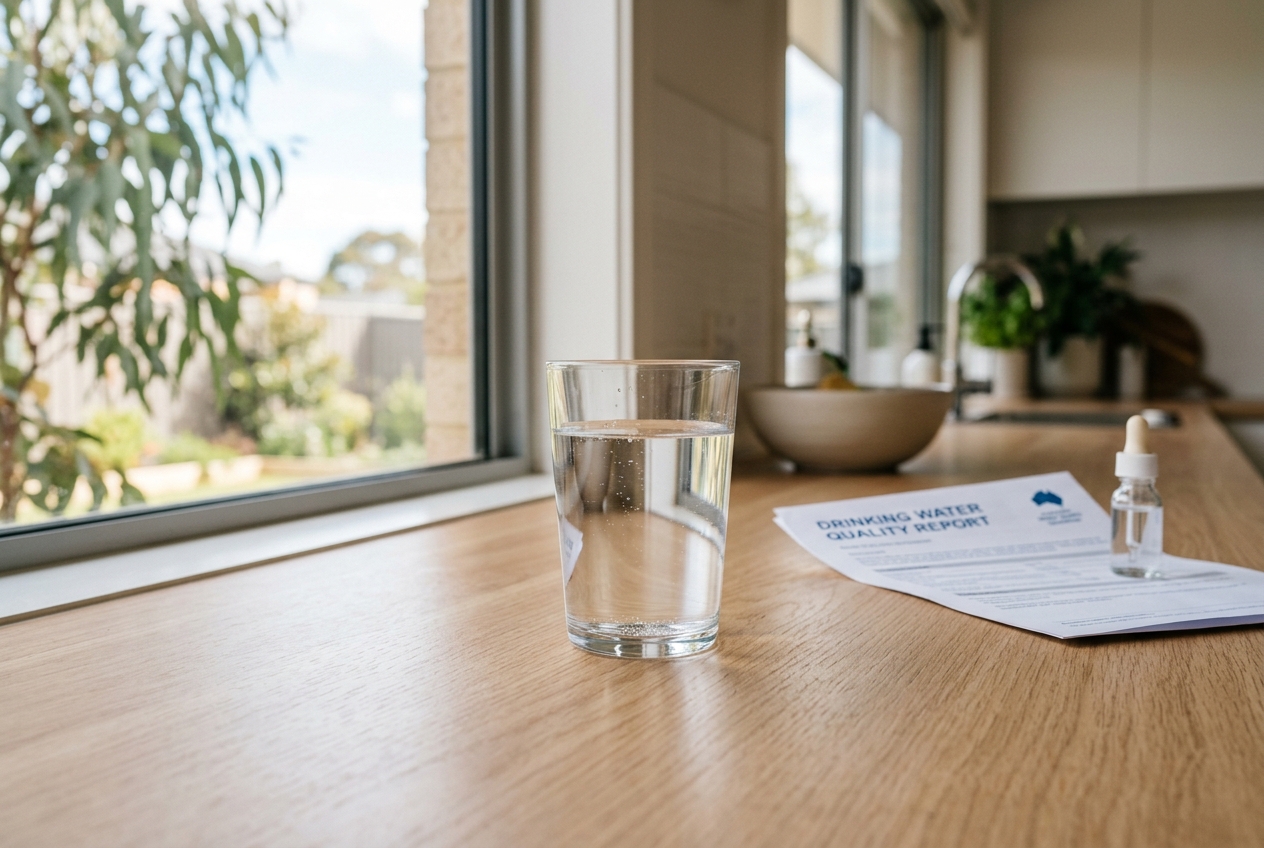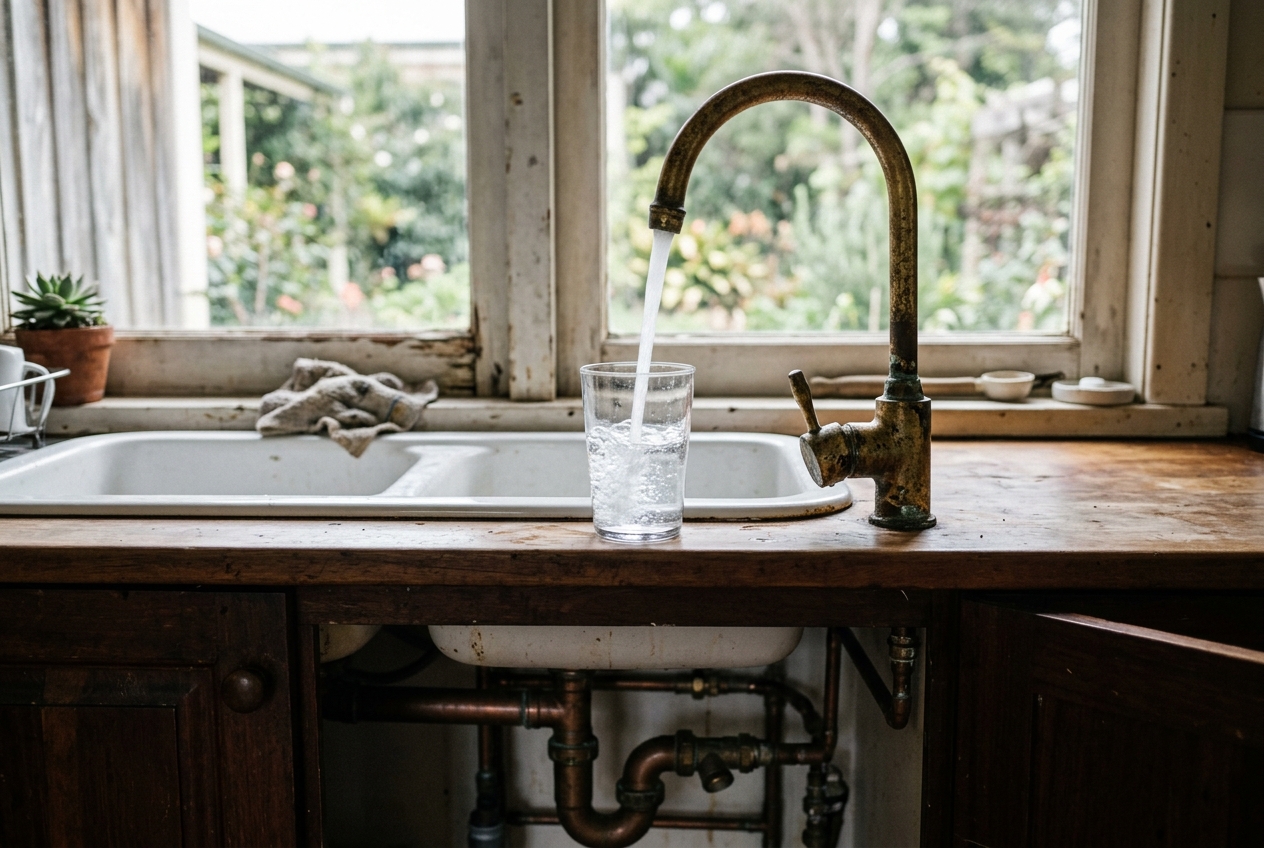
Have you ever noticed tiny "floaties" or a slight discolouration in your glass after a heavy Sunshine Coast downpour? It is the most common question we hear from residents in places like Cooroy and Doonan: is rainwater safe to drink australia? While having an independent water supply offers great freedom, it is natural to feel uncertain when you see sediment in the bottom of a bucket or worry about how recent bushfire ash might be affecting your roof runoff.
We understand that you want peace of mind without the stress of confusing technical jargon or alarmist warnings. This guide will help you manage your household supply by breaking down the Australian Drinking Water Guidelines (ADWG) into plain English. You will learn how to establish a practical maintenance schedule and, more importantly, gain a clear understanding of what is actually inside your tank. By following a few straightforward steps, you can feel confident that your water supply is being managed responsibly and meets the preferred standards for your home.
Key Takeaways
- Understand how the Australian Drinking Water Guidelines (ADWG) act as the national benchmark to help answer the common question: is rainwater safe to drink australia?
- Identify how environmental factors like roof materials and local wildlife activity can alter the chemical profile and clarity of your household water supply.
- Learn practical maintenance steps, such as regular gutter cleaning and mesh inspection, to manage your independent supply and prevent organic buildup.
- Discover why professional laboratory testing provides a more reliable assessment of your water quality than DIY strips or simple visual checks.
- Gain confidence in managing your tank by understanding what is actually in your water before choosing a treatment solution for your Sunshine Coast home.
Understanding Rainwater Harvesting and Australian Drinking Water Guidelines
The practice of Rainwater harvesting involves collecting rain from your roof catchment and storing it in tanks for household use. For many families living in the Sunshine Coast Hinterland, this isn't just a sustainable choice; it's a necessity. When residents ask, is rainwater safe to drink australia, the answer depends largely on how the system is managed. While rain is naturally soft and clear, the journey from your roof to your tap introduces several variables that can change the water's composition.
To manage these variables, we look to the Australian Drinking Water Guidelines (ADWG). These guidelines provide a rigorous benchmark for quality, defining "potable" water through specific chemical and microbiological parameters. Unlike town water, which is constantly monitored by regional utilities, independent supplies in areas like Cooroy or Doonan require more active management. Our "educate first" philosophy ensures you understand these standards so you can make informed decisions about your home's water supply.
Why Water Quality Fluctuates in a Tank System
Rainwater is nearly pure as it falls from the sky, but it acts as a universal solvent. As it travels across your roof, it picks up particulates such as dust, pollen, and trace minerals from roofing materials. This transition from atmospheric rain to stored tank water is where most changes occur. Factors like seasonal dry spells followed by heavy downpours can cause sediment to stir, affecting the turbidity and mineral balance of your supply. Establishing a baseline through a Rainwater Tank Health Check is a practical first step to see how these environmental factors are impacting your specific system.
Your Responsibility as a Private Water Supplier
In Queensland, homeowners with independent supplies are essentially their own water managers. This means you are responsible for monitoring the quality of the water your family uses every day. It's helpful to distinguish between aesthetic parameters, such as a slight earthy odour or tea-coloured tint, and health-based guidelines that involve bacteria or heavy metals. Taking a neighbourly approach to safety means staying proactive with maintenance rather than waiting for a problem to arise. Understanding what is actually in your tank allows you to maintain a supply that aligns with the ADWG without relying on guesswork or fear-based assumptions.
Environmental Factors Influencing Tank Water Quality
Environmental factors are the primary reason water quality changes over time. While the rain itself is consistent, the environment it lands in is not. Many homeowners ask, is rainwater safe to drink australia, especially when living in a diverse environment like the Sunshine Coast where conditions change rapidly. Roof materials, for instance, significantly alter the chemical profile of your water. Older homes may still have lead flashing or copper piping, which can leach heavy metals into your supply. Even modern roofing can be affected by organic matter. Leaf litter, bird droppings, and local wildlife activity, such as possums or bats traversing your roof, introduce nutrients and bacteria into the system.
One of the most important metrics we look at is turbidity. This measure of cloudiness is more than just an aesthetic issue. High turbidity means there are suspended particles in the water that can shield pathogens from UV light or chemical treatments. This makes it harder to ensure your water meets the preferred guidelines. Understanding these interactions is the first step in managing your supply effectively.
Sunshine Coast Specific Hazards
Our local landscape presents unique challenges for tank owners. The impact of bushfires on tank water quality is a significant concern for Hinterland residents. Ash can settle on roofs and be washed into tanks, altering the mineral balance and potentially introducing fire retardant residues. Meanwhile, coastal residents in Noosa or Coolum deal with salt spray. This airborne salt can lower the pH of your water, making it more acidic and potentially corrosive to your household plumbing. Understanding the effects of roof material on rainwater quality is essential for regional properties where specific materials react differently to these coastal and bushland conditions.
Microbiological and Chemical Parameters to Monitor
When we test your water, we look for indicators like E. coli and coliforms. Our guide on how to get your rainwater tested covers the practical steps. These are usually present due to animal activity on the roof or in the gutters. We also monitor pH levels. Water that falls "outside the preferred range" can be quite aggressive, slowly corroding your hot water system or copper pipes over time. Turbidity is the measure of suspended particles in your water that can shield pathogens from disinfection processes.
If you're noticing changes in the taste or clarity of your supply, a professional water test is a practical way to understand exactly what environmental factors are at play before you invest in expensive filtration.
Practical Maintenance Steps for a Healthier Water Tank
Maintaining an independent water supply is a process of low maintenance, not no maintenance. While nature does the heavy lifting, your role is to ensure the collection system remains a clean pathway for runoff. When families ask, is rainwater safe to drink australia, the reality is that a well-maintained system is far more likely to meet the preferred guidelines. Start by organising a regular gutter cleaning schedule. This prevents the buildup of organic sludge, which can break down and affect the taste and odour of your supply. If leaf litter sits in your gutters for too long, it creates a tea-like infusion that washes straight into your tank during the next downpour.
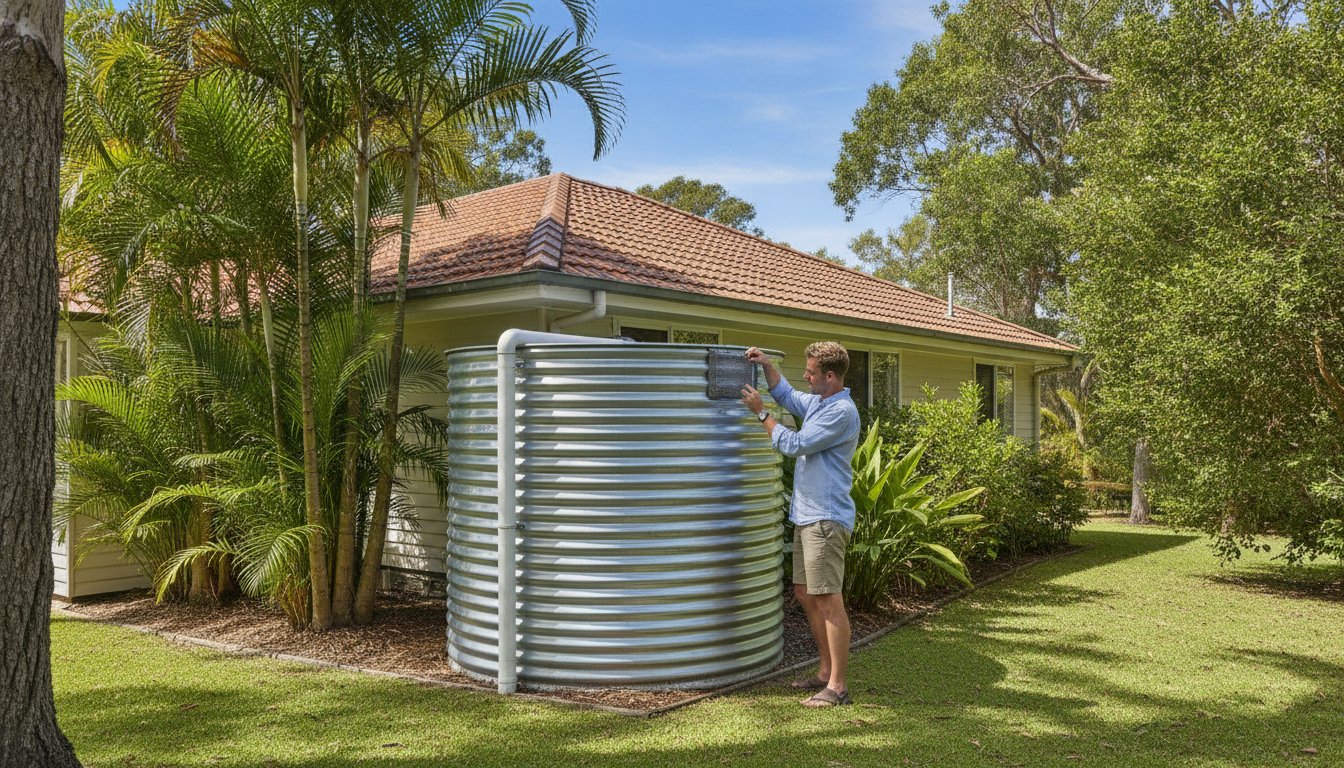
Next, focus on the entry points of your system. Ensure all tank inlets and overflows are fitted with mosquito-proof mesh. This keeps out pests and prevents mosquitoes from breeding in your supply, which is a common issue during the humid Sunshine Coast summers. You should also verify the physical integrity of the tank roof and manhole cover. Even a small gap can allow vermin or debris to enter, which quickly changes the microbiological profile of the water. Every two to three years, inspect the tank interior for sediment buildup. If you notice a thick layer of "sludge" at the bottom, it might be time for a professional clean to prevent those particles from being drawn into your household pumps and appliances.
The Role of First Flush Diverters
A first flush diverter is one of the most effective tools for managing water quality. These devices essentially "wash" your roof during the start of a rainfall event. The first few millimetres of rain carry the highest concentration of dust, bird droppings, and concentrated minerals. The diverter captures this "sacrificial" volume and prevents it from entering the main tank. For these to work, you must drain and clean the diverter chamber regularly. A clogged diverter can't do its job, leading to higher levels of sediment and trace heavy metals in your primary storage. Regular maintenance here ensures your water remains clearer and reduces the load on your filtration system.
A Seasonal Checklist for Hinterland Homeowners
- Pre-storm season: Clear overhanging branches to reduce leaf load and check all roof seals for gaps.
- Post-storm: Inspect mesh screens for debris and check for any sudden increase in turbidity or cloudiness after heavy rain.
- Annual: Book a professional water analysis to verify that your maintenance efforts are keeping the water within the preferred range.
The Value of Professional Laboratory Analysis
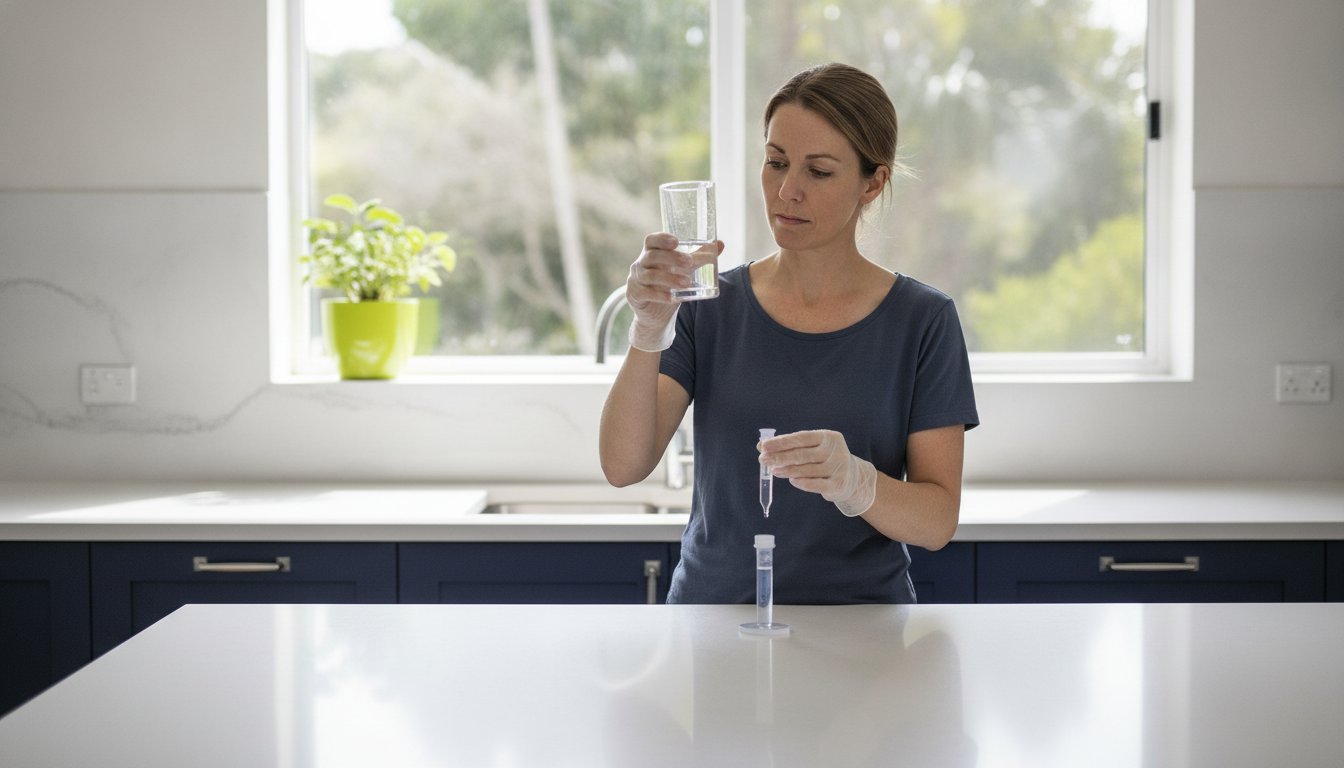
Many residents assume that if their water looks clear and smells fresh, it's fine for all household uses. However, visual clarity is not a reliable indicator of guideline compliance. Microscopic pathogens and dissolved heavy metals are invisible to the naked eye. When asking, is rainwater safe to drink australia, it's important to look beyond what you can see in the glass. While DIY test strips from hardware stores are a popular suggestion on online forums, they often lack the precision required to detect specific bacterial strains or trace heavy metal concentrations. Professional laboratory analysis uses calibrated equipment to provide a comprehensive and accurate profile of your household supply.
Choosing a professional test is a practical first step. It ensures you aren't guessing about the quality of your water. Sunshine Coast Water Testing helps local households understand what is actually in their tank or bore water before choosing a treatment option. This data-driven approach prevents you from over-investing in complex filtration systems that might not address your specific needs. Understanding the science behind your supply gives you the confidence to manage your home's water responsibly.
Understanding Your Certificate of Analysis (COA)
A raw laboratory report is often filled with technical symbols and confusing units that are difficult for non-scientists to interpret. We translate these findings into a Plain-English summary that makes sense for the average homeowner. If a result falls outside the preferred range, we provide actionable recommendations for your next steps. These results should be viewed as a prompt for maintenance rather than a cause for alarm. Our goal is to demystify the data, explaining how specific levels might affect your plumbing or appliances. This qualitative value differentiates our reporting from impersonal, data-heavy competitors.
Testing vs. Treatment: Avoiding Unnecessary Costs
Testing identifies the specific issue so you only treat what is actually necessary. For example, you might find that your turbidity is high but your mineral balance is perfect. In this case, a simple tank clean might be the only requirement. For practical solutions like tank cleaning or filtration installation, we recommend contacting Pristine Water Systems Sunshine Coast. While we identify the issue through testing, they provide the hardware and services to resolve it. A professional water test can save you thousands of dollars by preventing the purchase of incorrect or redundant filtration equipment. It is the most efficient way to ensure your maintenance budget is spent where it matters most.

Securing Peace of Mind for Your Sunshine Coast Home
Moving from the uncertainty of visible sediment or bushfire ash to a professionally managed water supply is a rewarding journey for any homeowner. While the common query is rainwater safe to drink australia brings many people to this topic, the most accurate answer is always found in your own laboratory results. By shifting from guesswork to scientific verification, you replace concern with confidence. For families in Cooroy, Doonan, and Noosa, this proactive approach ensures that your independent supply is a reliable asset rather than a source of stress.
Establishing a routine of annual testing is a practical way to keep your system performing at its best. Just as you would service your car or clear your fire breaks, a Rainwater Tank Health Check should be a standard part of your home maintenance calendar. This regular oversight allows you to spot trends in your water quality, such as a slow shift in pH or a gradual increase in mineral levels, before they impact your household appliances or plumbing. Organising your next check is a simple step that anchors your home's safety in real data.
First Steps for New Property Owners
If you have recently purchased a home in the Hinterland with an existing tank system, immediate testing is your first priority. You cannot always rely on the maintenance history provided by previous owners. A professional analysis reveals the current state of the tank and the effectiveness of any existing filtration. We also recommend testing after significant environmental events. Intense storm seasons, local floods, or nearby bushfires can all introduce contaminants that bypass standard screens. Collecting a sample for laboratory analysis is a straightforward process. We provide clear instructions to ensure your sample is untainted, allowing for the most accurate results possible.
Supporting Regional Families and Off-Grid Living
Living off-grid or relying on tank water offers a unique sense of independence, but it comes with the responsibility of quality control. The reassurance that comes from scientific verification cannot be overstated. Our commitment to the Sunshine Coast community is built on providing non-intrusive, helpful guidance that empowers you to manage your own resources. We focus on making technical data understandable, ensuring you have the clarity needed to make informed decisions. We invite you to understand what is actually in your tank before making any significant treatment choices. This "educate first" approach ensures your path to high-quality water is efficient, transparent, and grounded in local expertise.
Take the Next Step for a Healthier Household Supply
Managing an independent water supply doesn't have to be a guessing game of visual checks and uncertainty. By staying on top of seasonal gutter maintenance and understanding how local Sunshine Coast conditions affect your roof catchment, you're already well on your way to a healthier tank. While the broader question is rainwater safe to drink australia is a common starting point, the most reliable answer always comes from a laboratory analysis of your own specific household water.
Our local experts understand the unique environmental challenges of the Hinterland and coastal areas. We provide a detailed Certificate of Analysis (COA) for your records along with Plain-English summaries, so you'll never be left squinting at confusing technical data. Understanding exactly what is happening in your system is the only way to choose the right treatment path without wasting money on unnecessary filtration gear. As a practical first step, book a professional Rainwater Tank Health Check to gain total clarity. We're here to help you secure that essential peace of mind for your home and family.
Frequently Asked Questions
Is rainwater safe for drinking straight from the tank in Australia?
Whether is rainwater safe to drink australia depends entirely on the maintenance of your roof catchment and the condition of your storage tank. While rain is naturally clear, it can collect bacteria from bird droppings or minerals from roofing materials as it travels to your tank. Following the Australian Drinking Water Guidelines (ADWG) is the best way to ensure your independent supply is managed responsibly for your household.
How often should I have my rainwater tank professionally tested?
You should aim to have your tank water professionally analysed at least once a year as part of your standard home maintenance. It is also a practical step to book a health check after major environmental events, such as heavy flooding or nearby bushfires. Regular testing helps you identify gradual changes in pH or mineral levels before they affect your household plumbing or appliances.
What are the most common contaminants found in Sunshine Coast rainwater tanks?
Can bushfire ash affect the quality of my stored rainwater?
Bushfire ash can significantly alter the chemical profile of your water by introducing concentrated minerals and changing the pH balance. Ash that settles on your roof is washed into the tank during the next rain event, often causing increased turbidity and a distinct earthy taste. Testing after a fire is the most reliable way to understand exactly what has entered your storage system.
Do I need to test my water if I already have a filtration system installed?
Testing is essential even with a filtration system to verify that the equipment is performing as expected. Filters can become saturated or lose effectiveness over time, potentially allowing pathogens or minerals to reach your taps. A professional analysis confirms that your treated water falls within the preferred range and helps you determine the correct maintenance schedule for your specific system.
What is the difference between a home test kit and professional lab analysis?
Home kits typically use basic chemical strips that lack the precision to detect trace heavy metals or specific bacterial strains. Professional laboratory analysis uses calibrated equipment to provide a highly accurate Certificate of Analysis (COA). Unlike hardware store kits, we provide a Plain-English summary of these results so you actually understand what the data means for your home.
What should I do if my water test results are outside the preferred range?
If your results are outside the preferred range, it is a prompt for targeted maintenance rather than a cause for alarm. Identifying the specific issue allows you to choose the right solution without over-investing in unnecessary gear. For practical help like tank cleaning or filtration installation, we recommend contacting Pristine Water Systems Sunshine Coast to address the issues identified in your report.
Is it necessary to clean or desludge my water tank every year?
Annual desludging isn't usually necessary for most Sunshine Coast homes, with a clean every two to three years being the standard recommendation. The actual frequency depends on your local leaf load and how well your first flush diverters are performing. A professional water test is a practical first step to see if sediment is affecting your supply before you commit to a full tank clean.

Article by
Stephen McDougall
Stephen McDougall is the owner of Pristine Water Systems Sunshine Coast and Sunshine Coast Water Testing, specialising in water quality, filtration, and tank systems. He's known for delivering clear, easy-to-understand advice and practical solutions to help clients maintain safe, reliable water.
Disclaimer
The information provided in this article is for general guidance only and is not a substitute for professional water testing or site-specific advice. Water quality can vary between properties. For accurate results and recommendations, we recommend professional testing and assessment.